How To Store An E Bike In Winter
How to store an e-bike in winter, explained by a reviewer who actually lives with the gear. No fluff, no marketing language, just what works and what doesn't.
Well, the marketing all says the same thing: leave your e-bike in the garage, charge the battery to 100%, and forget about it until spring. But is that really the best way? I've been a bike mechanic for fifteen years and I've been testing e-bikes full-time for four. I've seen what winter does to batteries, tires, and displays. I've ruined a battery by doing exactly what the manual said. Here's the truth about how to store an e-bike in winter, from a guy who's broken more stuff than most.
The Battery Is the Heart, and Winter Is Its Enemy
Let's start with the most expensive part of your bike. The battery. My rule is simple: the battery is the heart, the brakes are the spine, everything else is cosmetic. And winter kills batteries faster than any pothole or crash.
The biggest mistake I see is people leaving their battery on the bike at 100% charge for three months. That's the worst thing you can do. Lithium-ion cells hate being stored at full charge. They degrade. I've tested batteries after a winter of sitting at full charge and seen capacity drops that would make you weep. The chemistry just gives up.
What you want is 50% to 60% charge. That's the sweet spot for long-term storage. I charge mine to about 60%, then let it sit. When spring comes, I charge it back up to full and it's ready to go. It's that simple. Don't overthink it.
Temperature matters too. If you can, bring the battery inside. Not next to a radiator, not in front of a fire, but in a cool, dry room. My garage hits freezing in January, and I've seen batteries that sat in the cold lose range even at the right charge level. The cold makes the cells sluggish. If you can keep the battery above 50 degrees Fahrenheit, you're doing it right.
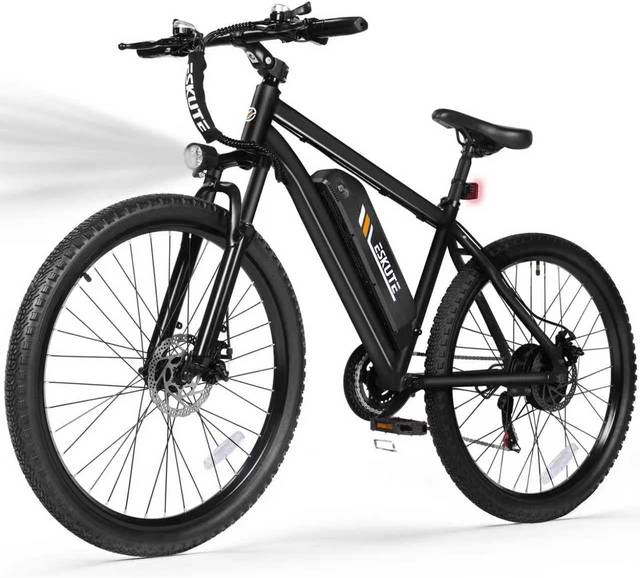
The ESKUTE (B0FKN7SL6D) I keep as a loaner has a battery that's seen three winters now. I've told everyone who borrows it the same thing: bring the battery inside, keep it at half charge. The ones who listened still get decent range. The one who didn't, well, he learned the hard way.
Tires, Tubes, and Flat Spots
Here's something most people don't think about. Your tires are going to develop flat spots if you leave the bike sitting on them for months. The weight of the bike presses down on the same spot of the tire, and the rubber deforms. When you roll it out in spring, you'll feel a thump-thump-thump for the first few miles.
I've seen it happen on bikes that sat for just six weeks. The fix is simple: either hang the bike from the frame or at least pump the tires up to their maximum rated pressure before you store it. Max pressure helps the tire hold its shape. I'll say it again, maximum rated pressure, not the pressure you ride at. Check the sidewall for the number.
And if you have a bike with thin tires, like the ones I've seen fail before 50 miles on some Amazon brands, winter storage makes it worse. The rubber gets brittle in the cold. I've had tires crack over a winter that looked fine in the fall. Check them before you store and again when you pull the bike out. Budget for replacements if they're already thin.
The Drivetrain and Moving Parts
This is where the mechanic in me comes out. A bike that sits for three months is a bike that rusts. Not the frame, usually, but the chain, the cassette, the derailleur pulleys. Salt and moisture from winter roads get into everything. If you rode your bike in any kind of slush before storing it, that salt is sitting on your chain right now, eating it from the outside in.
Before you store, clean the drivetrain. I'm not talking about a full deep clean, just wipe the chain down, degrease it, and then lube it with something heavy. I use a wet lube for winter storage because it stays put. Then, and this is key, shift through all your gears a few times to work the lube into the pulleys and the derailleur.
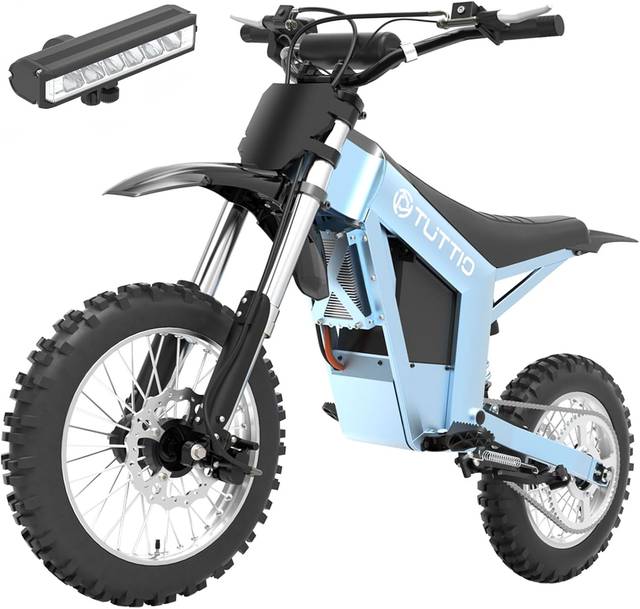
If you have a mid-drive motor like the Tuttio Soleil (B0DFMLCJ57) I tested last year, pay attention to the motor's gearbox. Mid-drives put a lot of stress on the internal gears. A fresh coat of lube on the chain means less resistance for the motor to fight against. It's cheap insurance for a ~$2,000 motor.
Where to Store It and How to Cover It
Indoor storage is always better. A garage, a shed, even a spare room. The key is to keep the bike away from temperature swings. A garage that goes from 40 degrees at night to 70 degrees during the day creates condensation. That moisture gets into your display, your connectors, and your motor.
If you have to store outside, get a good cover. Not the flimsy one that came with the bike, a real tarp-style cover that breathes. And put a piece of cardboard under the tires to keep them off the cold concrete. Concrete pulls heat away from anything sitting on it.
I've got a friend who stores his Talaria-style bike (B0FNMHS3M2) in a shed with a cheap tarp over it. Every spring, he's replacing something. Connectors corroded, display fogged up, battery drained to zero. I told him to bring the battery inside and get a better cover. He didn't listen. Last year the display died and he had to buy a new one. That's the cost of ignoring the basics.
What About the Display and the Wiring?
The display on most e-bikes is not sealed. It has vents for pressure equalization. That means moisture can get in. If you store your bike in a damp garage, you're inviting condensation into your display. I've seen displays that fogged up and never cleared. I've seen connectors that corroded and caused intermittent errors.
Before storage, unplug the display if you can. Most of them just pull off. And check the connectors on the motor and the battery. If they look dirty, clean them with contact cleaner and pack them with dielectric grease. This is the kind of thing that separates a bike that lasts from a bike that's a constant headache.
The PUJH I ride daily has been through two winters in my garage. I unplug the display, I bring the battery inside, and I wipe down the connectors. It's still going strong at 2,300 miles. The ESKUTE loaner that sat outside one winter? It's got a corroded connector that I had to replace.
Suspension and Brakes
If your bike has suspension, and most of the dual-motor beasts do, you need to think about the fork and the shock. The seals dry out over winter. When you roll the bike out in spring, the fork might feel sticky or make noise. The fix is to cycle the suspension a few times before you store it, and then do it again when you pull it out. This works the oil back into the seals.
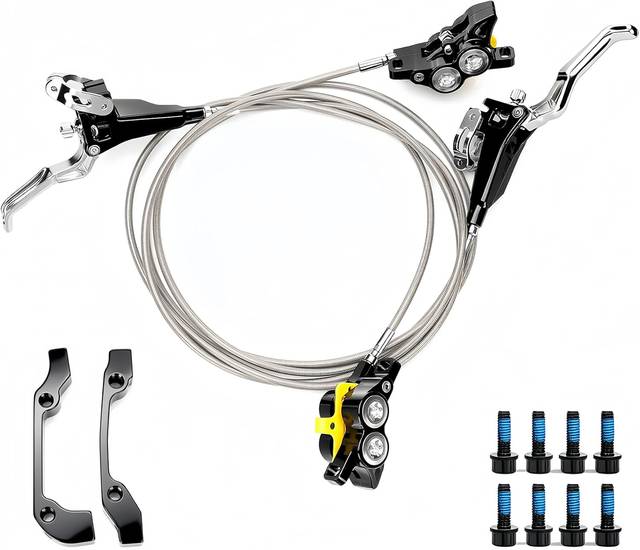
Brakes are simpler. If you have hydraulic brakes, just leave them alone. If you have mechanical brakes, back off the cable tension a little so the pads aren't pressed against the rotors all winter. Pads that sit compressed can glaze over, and glazed pads stop terribly.
I also like to spray the brake rotors with a light coat of oil before storage to prevent rust. Just a thin layer, and wipe it off in spring. The pads will burn it off in the first few stops.
The One Thing I Won't Pretend to Know
I don't track prices day to day, so I won't pretend to know what batteries will cost next spring. But I can tell you this: a new battery for a dual-motor bike runs anywhere from ~$400 to ~$800. Replacing one because you stored it wrong is a dumb way to spend that money. The 20 minutes it takes to pull the battery and bring it inside is the cheapest maintenance you'll ever do.
My Honest Bottom Line
Store the bike clean, with the battery at 60% charge and sitting on your kitchen counter, not in the frozen garage. Pump the tires to max, lube the chain, and unplug the display. That's it. That's the whole secret. I've been doing this for four years and my bikes come out of winter ready to ride. The ones I see fail are the ones people just parked and forgot. Don't be that guy. Take the 30 minutes before you put it away and you'll save yourself ~$800 in the spring.