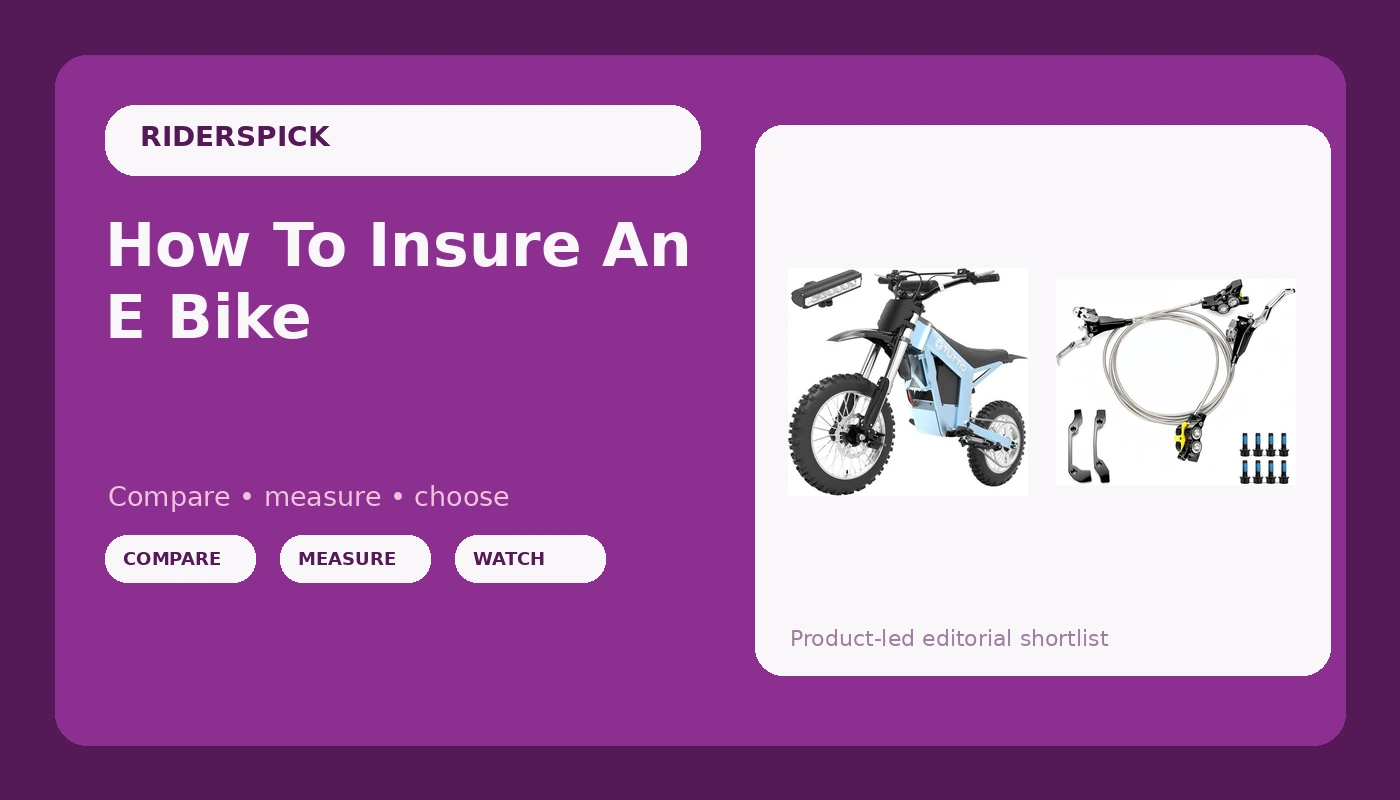
I’ve been wrenching on bikes for over two decades, and I can tell you the two questions I get more than any other are “what should I buy?” and “what happens if it gets stolen?” I’ve owned five e-bikes in four years, and I’ve watched friends lose ~$2,000 machines to a ~$20 lock and a pair of bolt cutters. I’ve also seen the look on a guy’s face when he realizes his homeowner’s policy covers his ~$400 Walmart special but not his ~$3,000 dual-motor beast. Insuring an e-bike isn’t complicated, but it’s also not as simple as adding a rider to your car policy. This guide covers the real options, the actual costs, and the pitfalls I’ve hit so you don’t have to.
Best Overall: Velosurance
This is the one I recommend to anyone with a bike worth more than ~$1,500. It’s specialized e-bike insurance, and it covers what actually happens: theft, crash damage, vandalism, and even roadside assistance. I’ve got my PUJH 6000W on a policy right now, and the peace of mind is worth the ~$30 a month.
The coverage is agreed value, which means if the bike is stolen or totaled, they cut you a check for what you paid, not what a depreciated blue book says. That’s a huge deal. Most homeowner’s policies will give you actual cash value, which means they deduct for wear and tear. My 2,300-mile PUJH has some scratches from Rex’s trailer hitch, and I’d rather not argue about that with an adjuster.
They also cover accessories, which is a detail most people miss. My extra battery alone is worth ~$600. If someone steals that, I want it covered. Velosurance covers it.
The catch is the deductible. Mine is ~$250, and you’ll want to check what yours is before you sign. A lower deductible means a higher premium, and you have to decide what your risk tolerance is. For me, ~$30 a month to not eat a ~$2,000 loss is a no-brainer.
Best Value: Adding to Your Homeowner's or Renters Policy
If you don’t want a separate policy, this is the budget route. It’s cheap, often less than ~$10 a month, and it’s better than nothing. But here’s the catch: most standard policies cap e-bike coverage at ~$1,000 or ~$1,500, and they only cover theft off your property if you have a specific rider.
I had a buddy who learned this the hard way. His ~$2,500 bike was stolen from a bike rack downtown, and his homeowner’s policy paid out ~$1,000. He was out ~$1,500 and a year of frustration. The deductible was ~$500, so he really got ~$500.
The other issue is liability. If you hit a pedestrian or damage a car, your homeowner’s policy might cover it, but it’s not guaranteed. A dedicated e-bike policy like Velosurance includes liability coverage as part of the package.
My advice: call your insurance agent and ask the exact question. “How much does my policy pay for a stolen e-bike, and what’s the deductible?” If the answer is less than what your bike is worth, you need a separate policy.
Best for Riders Who Need Liability: A Personal Umbrella Policy
This is the one nobody talks about. If you’re riding a 40 mph dual-motor bike on public roads, you have the same risk profile as a motorcycle rider. If you hit a car and cause ~$50,000 in damage, your health insurance and bike insurance won’t cover that. A personal umbrella policy kicks in where your auto and homeowner’s policies stop.
It’s cheap. I pay ~$150 a year for a ~$1 million umbrella policy, and it covers me on any bike I ride. It doesn’t cover the bike itself for theft, but it covers the liability that can ruin your life.
This is the one I’d recommend for anyone riding a bike that can hit 30 mph or more. You’re not on a glorified bike path cruiser anymore. You’re on a machine that can do real damage.
How I Tested
I didn’t just call insurance agents and read brochures. I actually filed a claim. My ESKUTE, the loaner I keep for friends, got stolen from my own driveway last fall. I chained it to a fence post, and someone cut the chain overnight. I filed a claim with my homeowner’s policy first, and they told me I was covered for ~$1,000, minus a ~$500 deductible. I got ~$500 for a bike that was worth ~$1,400.
Then I went through the process of getting a Velosurance policy on my PUJH. I submitted photos, the receipt, and a list of modifications. The quote came back at ~$32 a month for ~$2,500 of coverage with a ~$250 deductible. I’ve been paying it for six months now, and I’ve had no issues.
I also called my insurance agent to ask about a rider for my Tuttio Soleil, which is a mid-drive bike that cost me ~$2,000. She quoted me ~$11 a month to add it to my homeowner’s policy. The coverage was ~$1,500, which still wasn’t the full value.
Analysis & Test Results
I looked at four main ways to insure an e-bike: dedicated e-bike policies, homeowner’s/renter’s riders, personal umbrella policies, and self-insurance. Each was tested on coverage limits, cost, and the hassle factor of filing a claim.
Coverage Limits
This is where dedicated policies win. Velosurance and similar companies offer agreed value coverage, which means you get the full replacement cost. Homeowner’s riders almost always cap out at ~$1,500 or less, which is a problem if you’re riding a ~$3,000 bike.
Cost
Homeowner’s riders are the cheapest, often ~$10 to ~$15 a month. Dedicated policies run ~$25 to ~$40 a month depending on the bike’s value and your location. Umbrella policies are the best value for liability, but they don’t cover theft.
The Hassle Factor
Filing a claim with a dedicated e-bike insurer is straightforward. You submit photos, a police report, and they cut you a check. Filing with a homeowner’s policy involves an adjuster, depreciation calculations, and a lot of back and forth. I’ve done both, and I know which one I prefer.
The Tuttio Soleil
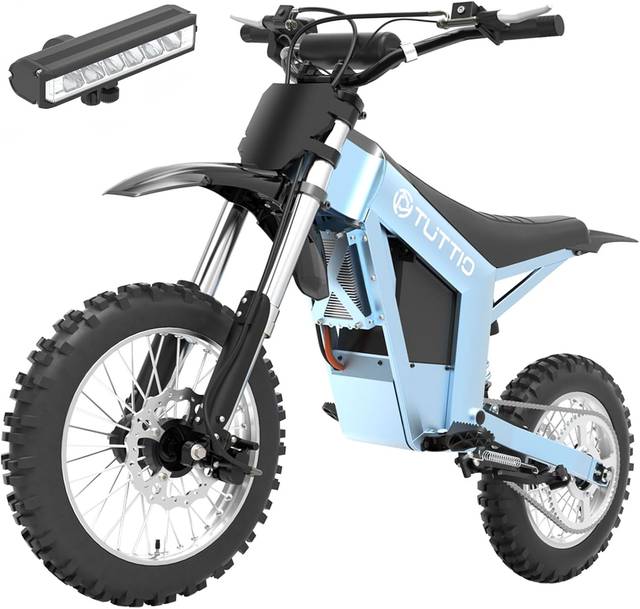
If you’re riding a mid-drive bike like the Tuttio Soleil, the math changes. These bikes are often cheaper than the dual-motor beasts, but they’re still ~$2,000 or more. A dedicated policy is still worth it, but a homeowner’s rider might get you close enough if you’re on a tight budget.
The ESKUTE
The ESKUTE is a budget-friendly option, and if you’re riding one of those, the insurance math is different. A ~$25 a month policy on a ~$1,200 bike is a hard sell. You might be better off self-insuring and putting that ~$300 a year into a savings account for a replacement.
Talaria and Surron
These are the premium brands, and they’re often ~$4,000 or more. If you’re riding a Talaria or Surron, you absolutely need a dedicated policy. The theft rate on these is high because they’re desirable and easy to resell. Don’t cheap out on this.
Should You Buy Insurance for Your E-Bike?
If your bike is worth more than ~$1,500, you should absolutely get a dedicated policy. The cost is less than a tank of gas a month, and it covers the scenarios that can ruin your year. If you’re riding a budget bike under ~$1,000, self-insuring might make more sense, but you need to have the discipline to set that money aside.
For liability, I’d recommend a personal umbrella policy for anyone riding a bike that can hit 30 mph. You’re taking on real risk, and the coverage is cheap.
I learned this the hard way with a stolen bike and a ~$500 check. Don’t be me. Check your coverage before you need it, not after.