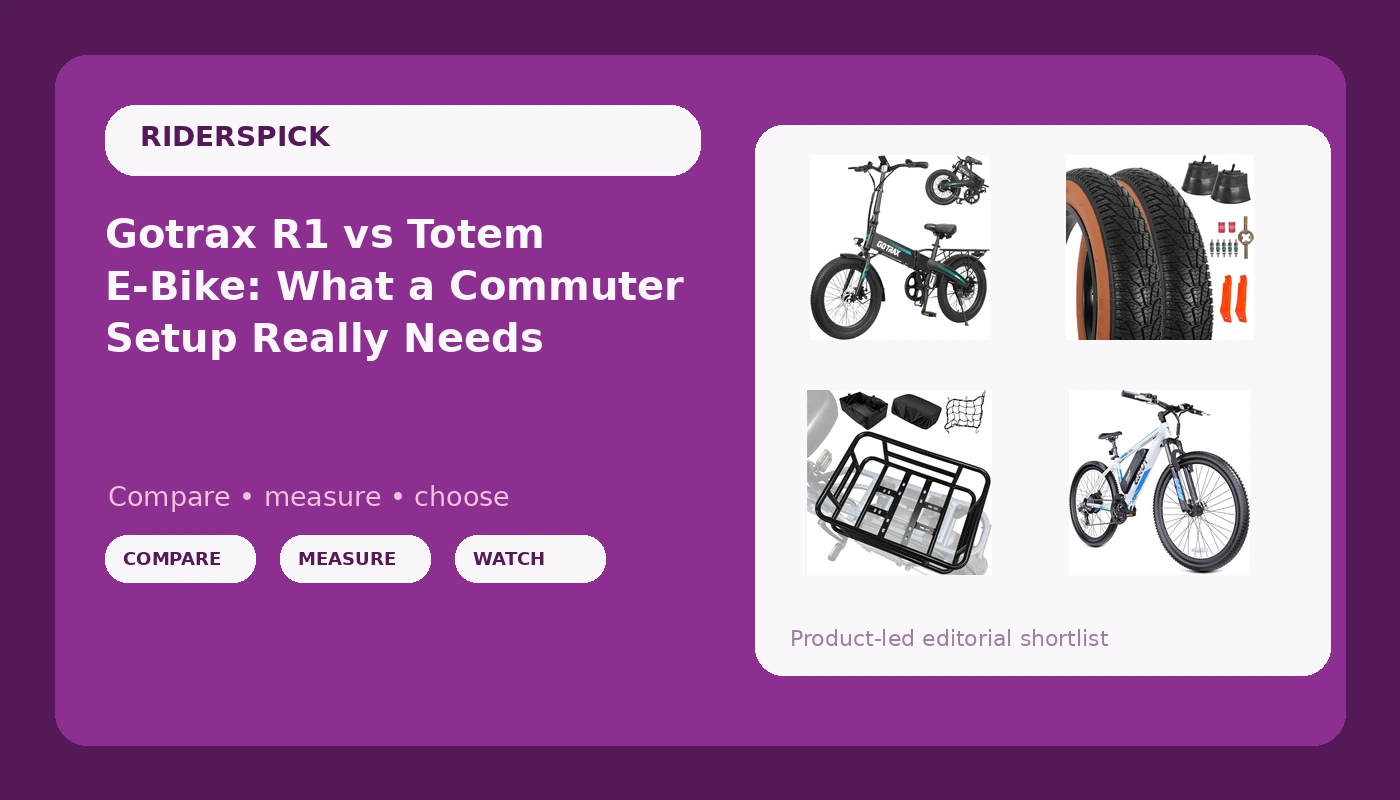
Fifteen years in a repair stand and seven years commuting on a battery have taught me one thing no spec sheet will tell you: a commuter e-bike setup is not a single purchase. It is three or four purchases made in the right order, and the order matters more than the badge on the down tube. The bike gets you moving. The tires decide whether you arrive with your fillings intact. The rack decides whether you can carry a laptop, a lunch, and a change of clothes without a sweaty back. I have watched people spend real money on a bike and quit commuting in month two because they never solved the cargo problem.
So when someone walks into the shop with a commute under ten miles and a storage situation that involves stairs, I run the same comparison every time. It is not a beauty contest. It is four parts: a bike that fits where you live, a bike that fits your terrain, a tire set that survives goathead season, and a rack that holds what you actually carry. That is the whole commuter e-bike setup, and these are the four pieces I keep coming back to for 2026.
For most riders, the Totem 750W is the better daily commuter and the Gotrax R1 is the better apartment bike, but neither one is finished until you add the rack, and the 20x4.0 tire set is a replacement part, not an upgrade.
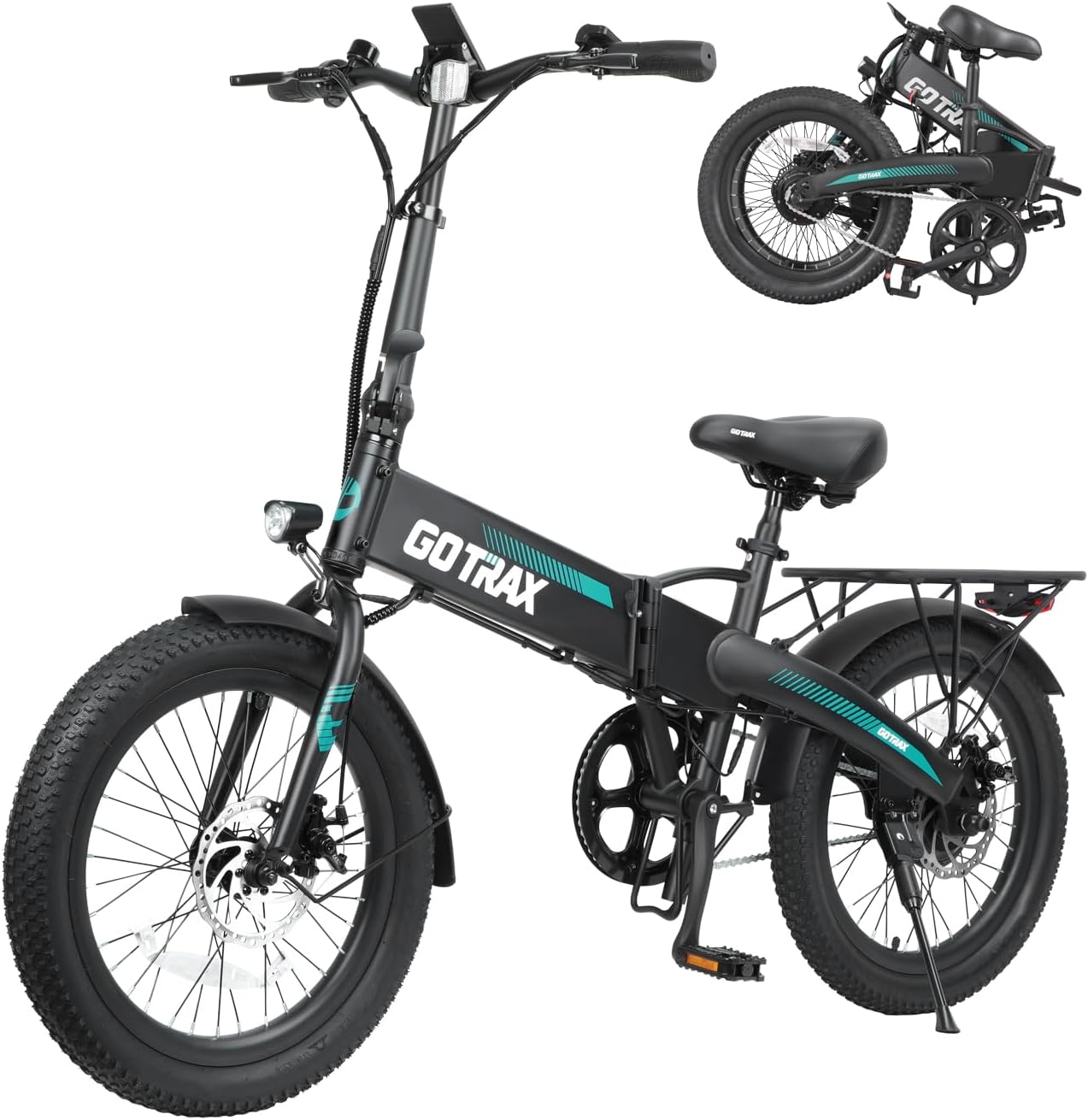
Gotrax R1 20" Folding Electric Bike for Adults
Folds small enough for a closet or a car trunk; 20 mph top speed and a claimed 40-mile ceiling; the lowest entry point of the two bikes here
20-inch wheels and a short wheelbase transmit every crack in the pavement; the hinge is a maintenance item you have to respect
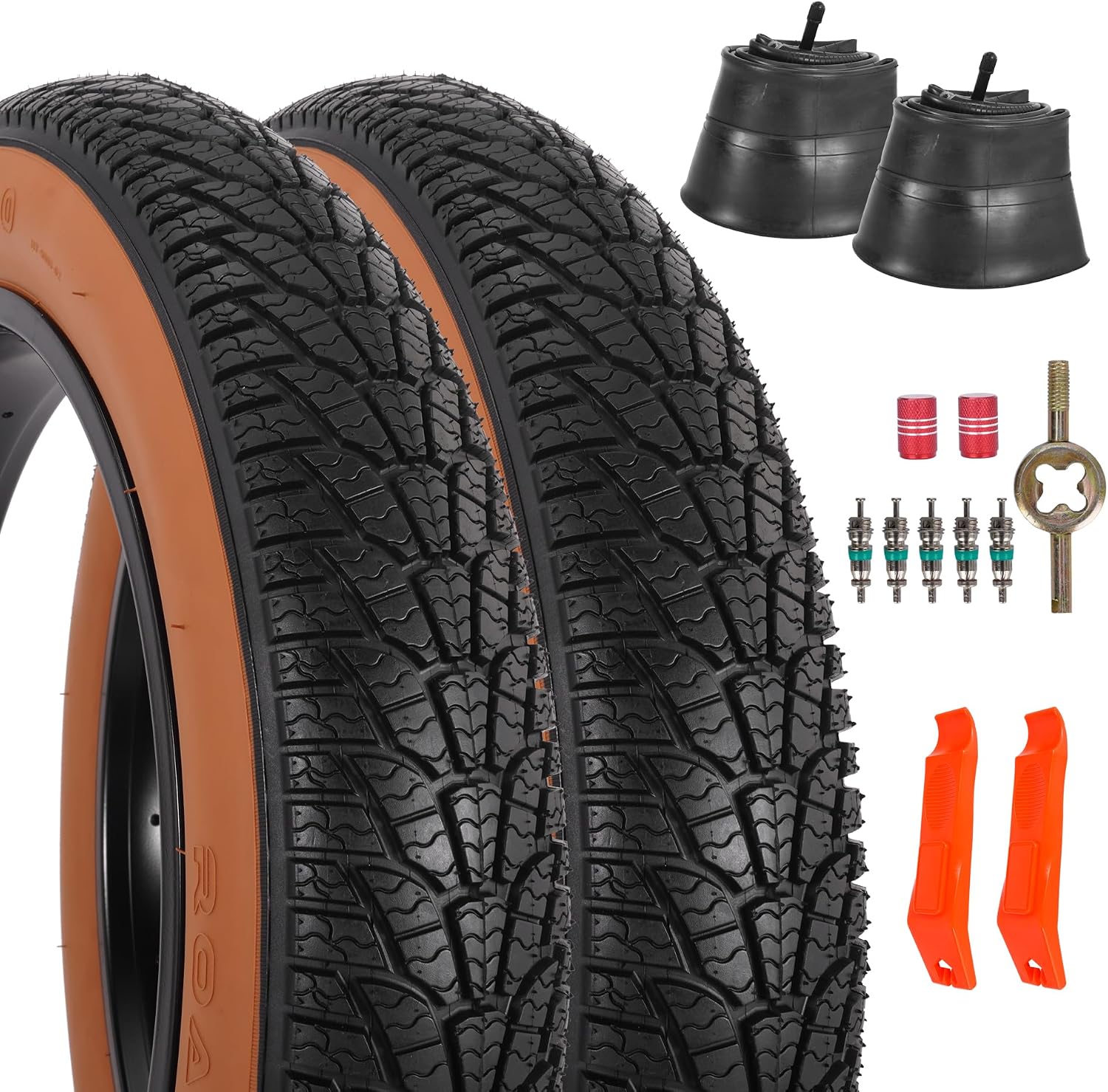
2-Pack 20x4.0 Fat Bike Tire, 20 Inch Mountain Bike Tires & Tubes Set
Two tires and two tubes in one order; a wide, aggressive tread that shrugs off glass and chip-seal; the cheapest way to fix a bike that rides like a shopping cart
4.0 inches of width only fits a wide fat rim, so it is not a universal 20-inch replacement
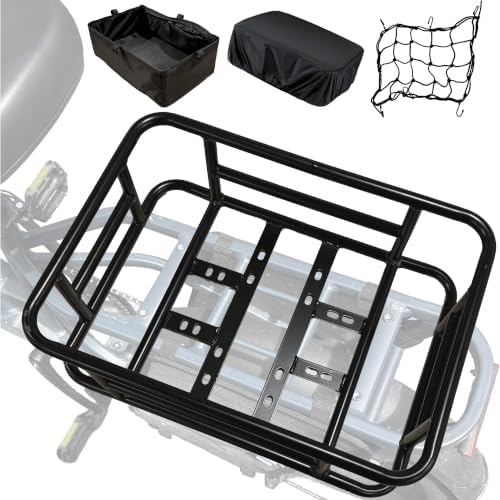
Rear Bike Basket/Cargo Rack for E-Bikes, Universal Carrier with Cargo Net, Rain Cover and Tool-Free Mounting
Turns any e-bike into a grocery-getter; net and rain cover included; tool-free mounting means no shop visit and no stripped bolts
"Universal" still depends on your frame's tube diameter, and folding frames are the hardest fit of all
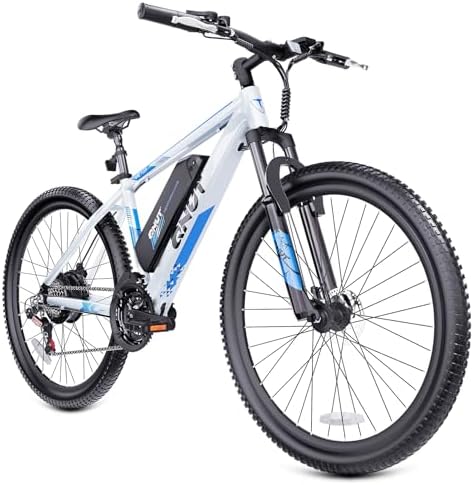
Totem Electric Bike for Adults, 750W Peak 26" Ebike with 375WH Battery, 21 Speed, 20Mph, Up to 40 Miles, Front Suspension
Full-size 26-inch wheels, front suspension, a 21-speed drivetrain, and a 750W peak motor for the hills
The heaviest and least storable of the group, and a 375Wh pack is small for that motor
Prices and availability were captured from Amazon Creators API and may change.
How I judge a budget commuter e-bike
The battery is the heart. The brakes are the spine. Everything else is cosmetic. That is not a slogan, it is the order I check things in, and it is the reason I am slow to recommend anything in this price range without a look at the fine print.
Three things I want before I call any e-bike a commuter: a battery that carries a recognized safety certification listing, brakes that are rated for the weight and speed of a loaded bike, and a motor that suits the terrain you actually ride. A hub motor is fine for a flat city. It is the wrong tool if your commute starts with a climb, because it does not use the bike's gears. That distinction matters more than any brand name.
One thing I will not do here is hand you a range number as if it were a measurement. My rule is no range claims without a real three-level test, and I have not run that test on these two bikes. So when you read "up to 40 miles" on either listing, read it as a manufacturer claim made under conditions you do not ride in. Real range is a function of your weight, the terrain, the temperature, and above all your assist level. A 40-mile ceiling at the lowest assist setting can become 15 miles at full power with a headwind and a loaded rack.
The folding option: Gotrax R1
The Gotrax R1 is a 20-inch folding e-bike rated for 20 mph and a claimed 40-mile maximum range. If you live in a third-floor walkup, share a small apartment, or want to throw a bike in a trunk, a folder is the only category that solves your problem. A full-size bike that lives on a balcony and gets rained on is a bike that dies young.
What you are trading for that convenience is ride quality. Twenty-inch wheels roll over less, so every expansion joint and pothole arrives at your wrists. The wheelbase is shorter, which makes the steering quicker and twitchier at speed than a 26-inch commuter. That is not a defect, it is geometry, and you should know it before you buy.
The hinge is the part I would watch on any folder. Latches wear, and a hinge with play is a hinge that flexes under load. Check it monthly, keep it clean, and if it starts to move, stop riding and fix it. The other folder-specific habit: do not carry it by the frame with the hinge open.
The full-size option: Totem 750W
The Totem is the other end of the same budget: a 26-inch commuter with a 750W peak motor, a 375Wh battery, a 21-speed drivetrain, front suspension, and a 20 mph rating with a claimed 40-mile maximum.
Two of those specs are the ones that matter to me. First, the 21-speed drivetrain. That means you can pedal this bike with the motor off, which is the difference between a dead battery being an inconvenience and a dead battery being a problem. Second, the 26-inch wheels and front suspension. Bigger wheels roll better and hold momentum, and suspension takes the edge off curb cuts, gravel paths, and the kind of pavement that Austin calls a bike lane.
The 375Wh pack is the spec I would push back on. It is a small battery for a 750W peak motor, and the claimed 40-mile ceiling is almost certainly a low-assist number. If your commute is eight miles each way, plan on charging at work until you have logged your own numbers. That is not a knock on the bike, it is how battery math works at every price point.
The 20x4.0 fat tire set
This is a two-pack of 20 by 4.0 fat bike tires with matching tubes. Read the size carefully, because it is the most misunderstood number in cycling. The 20 is the wheel diameter, and the 4.0 is the tire width in inches. A 20x4.0 tire needs a wide fat rim. It is not a drop-in replacement for the 20-inch wheel on a slim folding commuter, and it will not clear the frame on most of them either.
Where it earns its place is on any bike that came with fat tires and now has tread you can see through. Goatheads do not care how much you paid for your bike. A wide tire at lower pressure also does something no suspension fork can: it floats over broken pavement and gravel instead of chattering across it. Two tires and two tubes in one order is the right way to buy them, because if one tire is worn, its partner is too.
Check the sidewall for the pressure range and stay inside it. Overinflating a fat tire to make it feel faster defeats the entire reason you bought it.
The rear rack and basket
The single most common reason people stop commuting is cargo, and this rack is the cheapest cure I know. It is a rear carrier with a basket, a cargo net, a rain cover, and tool-free mounting hardware.
Tool-free is genuinely useful. It means you can move the rack between bikes, or take it off for a weekend ride, without hunting for a shop. The catch is that "universal" means "fits most common tube diameters," not "fits everything." Folding frames with odd seatstays and full-suspension frames are the two hardest fits, and a rack that clamps to a suspension linkage is a rack that will crack. Measure your frame tubes before you order, and use the rubber shims.
Keep the weight low and forward on the rack. A loaded basket hanging off the back changes how the bike handles, and on a short-wheelbase folder you will feel it in the steering. The rain cover is not a gimmick in a wet climate, and the net is what keeps a jacket from becoming road debris.
Where each pick loses
The Gotrax R1 loses on comfort and on maintenance attention. Small wheels, quick steering, and a hinge you have to inspect. If your commute is 12 miles of rough road, this is the wrong bike.
The Totem loses on weight and storage. It is a full-size bike, it takes a full-size space, and a 375Wh battery means you will think about charging. The 40-mile claim deserves your skepticism until you have ridden your own route at your own assist level.
The tire set loses on compatibility. It only fits 20-inch fat rims. Buy it for a fat-tire bike, not for a slim folder.
The rack loses on fitment. Tool-free mounting is only tool-free if your frame tubes are the size the clamps expect. On a folder, measure twice.
The order I would buy them in
Buy the bike that fits where you live and what you ride. If you have stairs and no garage, that is the Gotrax R1. If you have a garage and hills, that is the Totem. Do not buy a bike for the commute you wish you had.
Then buy the rack. It is the cheapest part of this list and it changes how often you ride more than any spec on the bike.
Then buy tires when yours wear out. Not before, and not as an upgrade, unless you own a fat-tire bike that needs them.
What I am checking next
Two things are on my bench right now for this category. First, battery certification listings, because a battery is chemistry and not marketing, and no e-bike is a bargain if the pack is uncertified. Second, brake spec on budget commuters, because a bike that does 20 mph needs brakes rated to stop a loaded rider, and that is where cheap builds cut first. I will have a 500-mile battery health check written up once these bikes have the miles on them. Until then, treat every range number you read, including the ones here, as a claim and not a measurement.