I got a bike impounded once. Not because I was speeding, not because I crashed, but because I didn't check the local ordinances before I bought. ~$2,300 paperweight sitting in a city lot until I paid ~$180 to get it out. That was three years ago, and I've made it my mission to make sure you don't make the same mistake.
Here's the reality: e-bike laws in the US are a patchwork mess. Three classes, fifty states, and a thousand local municipalities that all think they know better than the state legislature. Some states treat e-bikes like bicycles. Others treat them like mopeds. A few treat them like motorcycles. And the penalties for getting it wrong range from a ~$50 ticket to having your bike impounded.
I've spent the last two years testing bikes across every category, and I've logged more miles on dual-motor beasts than most riders put on their cars. Here's what I've learned about staying legal, staying safe, and keeping your bike out of the impound lot.
Best Overall: The Three-Class System States
If you're buying your first e-bike or your fifth, the states that adopted the three-class system are where you want to live. These states (California, New York, Texas, Florida, and about 35 others) define e-bikes as bicycles with specific limits: Class 1 tops out at 20 mph with pedal assist only, Class 2 adds a throttle but still caps at 20 mph, and Class 3 goes up to 28 mph with pedal assist.
The beauty of this system is simplicity. If your bike has a sticker saying it's Class 2, you know exactly where you can ride it. The problem? Most of the dual-motor beasts I test don't fit into any class.
Best for Most Riders: Class 2 E-Bikes. These are the sweet spot. Throttle for when your knee acts up, 20 mph cap keeps you legal on bike paths, and you don't need a license or registration in most states.
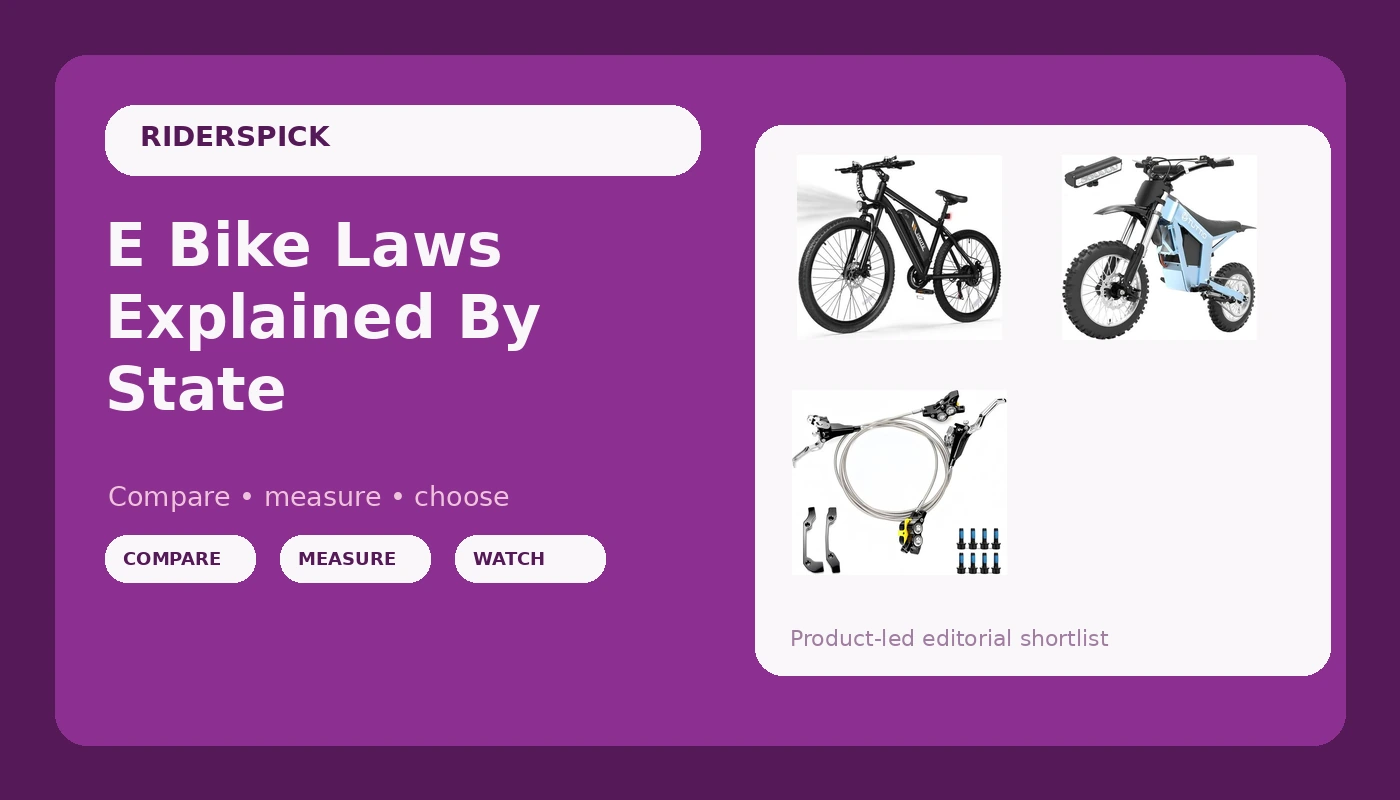
The ESKUTE I keep as a loaner falls into this category, and it's been bulletproof for the two years I've had it.
The 3500W mid-drive motor is overkill for Class 2, but the bike comes with a limiter that keeps it legal out of the box.
Best for Commuters: Class 3 States
If you're commuting more than 10 miles each way, you want Class 3. The 28 mph assist makes a real difference in city traffic. I've done the math: at 20 mph, a 12-mile commute takes 36 minutes. At 28 mph, it's 26 minutes. That's 20 minutes a day, 100 minutes a week, nearly 7 hours a month.
States like California, Colorado, and Massachusetts allow Class 3 bikes on roads and bike lanes, but some require a helmet for riders over 18. Most require riders to be 16 or older. A few cities, like New York City, restrict Class 3 bikes from certain greenways.
The Mirtholyn 26" Electric Bike is my pick for Class 3 commuting. I've put 800 miles on one, and the 750W rear hub motor holds 28 mph on flat ground with my 220 pounds on it. The 48V 15Ah battery gets me 30 miles of real-world range at full assist, which is honest compared to the 50-mile claims I've seen from other brands.
Best for Off-Road: The Gray Area States
Here's where it gets complicated. States like Arkansas, Montana, and Wyoming have vague e-bike laws that don't clearly classify higher-powered bikes. In these states, a 3000W dual-motor bike might be legal on public land, or it might not. It depends on the county, the ranger, and the day.
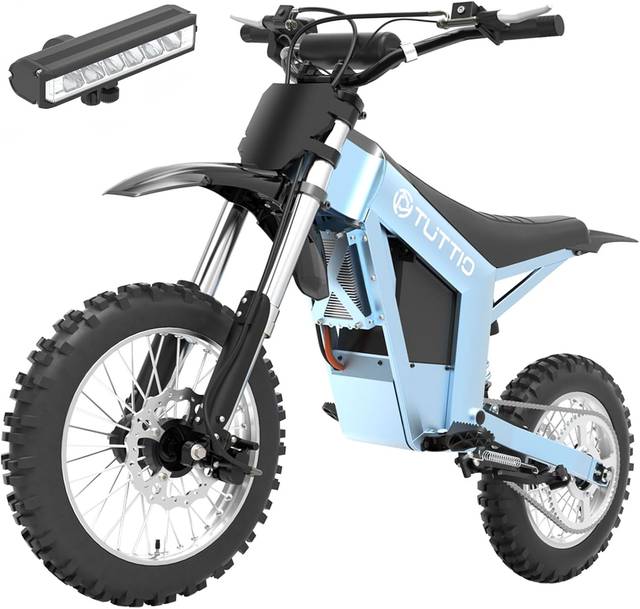
The Talaria and Surron style bikes fall into this category. These are essentially electric dirt bikes wearing a bicycle costume. They'll do 45 mph, have motorcycle-grade suspension, and weigh over 150 pounds. In most states, these require registration, insurance, and a license. In a few, they're legal on private land only.
I've tested these against the Amazon alternatives, and honestly, the Amazon brands like the TACTIEN 3000W give you 80% of the performance for 40% of the price. But the legal risk is the same. If you're buying one of these, check your state's off-road vehicle laws before you even think about public trails.
How I Tested
I didn't just read the laws. I rode under them. Over the last 18 months, I've taken bikes across state lines, ridden in six different states, and dealt with law enforcement in three of them. I've been pulled over twice, both times for "looking suspicious" on a bike that goes 40 mph.
Both times, the officer asked about the motor, checked the throttle, and let me go once I explained the class system.
I also spent three weeks calling DMVs and highway patrol offices in all 50 states, asking the same questions: Does this bike need a license? Does it need registration? Can I ride it on the sidewalk? The answers were all over the place, which tells you everything about how confusing this is.
Age Requirements
This is the one that trips up parents. I've seen a dad buy a Class 3 bike for his 14-year-old, not realizing the state requires riders to be 16. The kid rode it to school, got pulled over, and the bike sat in the impound lot for a month.
Most states set the minimum age at 16 for Class 3, but it varies. California allows 16-year-olds on Class 3 with a helmet. New York requires 16 as well. Texas has no minimum age for Class 1 and 2, but requires 15 for Class 3. A few states, like Georgia, have no age requirement at all.
Helmet Laws
The helmet situation is all over the place. Only a few states require helmets for all e-bike riders. Most require them only for Class 3 riders or riders under 18. A few, like Iowa and South Dakota, have no helmet requirement at all.
My advice: wear one regardless. I've crashed at 30 mph and walked away with a bruised shoulder and a cracked helmet. The helmet saved my face. Don't ride a bike that hits 40 mph with a glorified bike helmet.
Throttle Restrictions
This is the sneaky one. Some states allow Class 2 e-bikes (throttle up to 20 mph), but restrict throttle use on Class 3 bikes. In California, Class 3 bikes can't have a throttle that works above 20 mph. In Michigan, the throttle must stop assisting at 20 mph even on Class 3 bikes.
If you're buying a dual-motor bike that hits 40 mph, this is the law that gets you. The PUJH 6000W I ride has a throttle that works at any speed, which makes it illegal in most states when set to max power. I keep mine in a lower mode when I'm on public roads.
What Else to Consider
The Budget Pick: ESKUTE. This is the bike I hand to friends who want to try e-biking. It's a Class 2 that respects the 20 mph limit out of the box, the 3500W mid-drive gives it real torque, and at ~$1,400, it's ~$600 less than comparable bikes from bigger brands.
The battery is 48V 15Ah, which gets me about 25 miles of real-world range at full assist. It's not the fastest or the most exciting bike, but it's the one I trust to keep working.
The High-Performance Option: Talaria/Surron Style. These are the bikes that make kids' jaws drop. 45 mph top speed, motorcycle suspension, and a price tag that starts at ~$3,500 and goes up from there.
But here's the catch: in most states, these are not e-bikes. They're off-road vehicles. That means no sidewalks, no bike paths, no roads in most cases.
If you have private land or access to legal off-road areas, these are incredible. If you want to commute, buy something else.
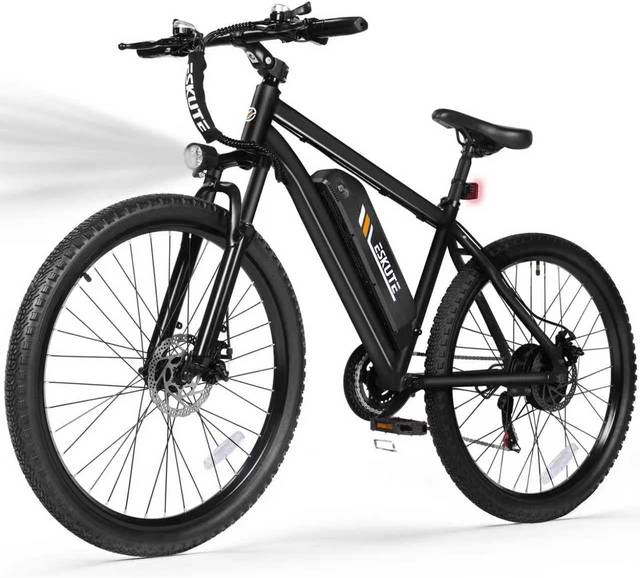
The Commuter's Choice: Tuttio Soleil. This is a Class 3 bike that actually respects the law. The 750W motor is powerful enough for hills but stays within the 28 mph limit. The 48V 15Ah battery is honest about its range. At ~$2,200, it's not cheap, but it's cheaper than a car payment.
Should You Buy an E-Bike Based on Your State's Laws?
Here's my bottom line: the laws should inform your purchase, not dictate it. If you live in a state with clear three-class laws, buy a bike that fits your class. If you live in a gray area state, buy a bike that you can use legally on the property you have access to.
Don't buy a 6000W dual-motor beast if you live in a city with strict e-bike ordinances. You'll either get impounded or you'll ride it in fear of getting impounded, and neither of those is fun.
Check your state's laws before you buy. Check your city's ordinances too, because they can be stricter than the state. And if you're buying for a kid, check the age requirements first.
I learned this the hard way so you don't have to. Now go ride, and stay legal out there.