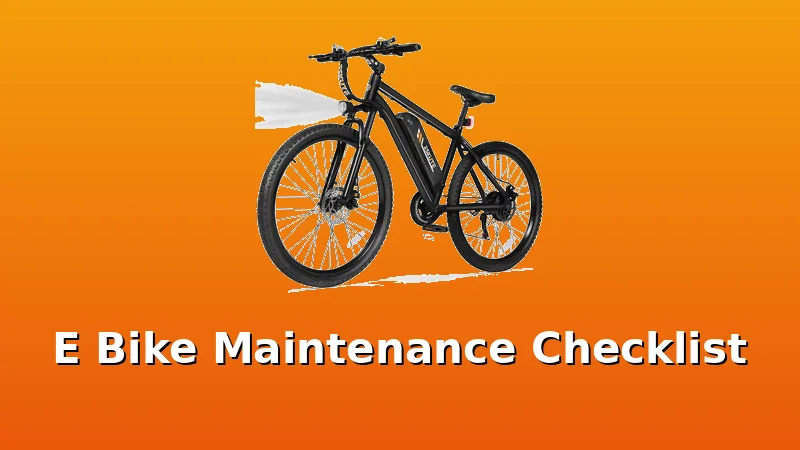
After two years of testing dual-motor beasts and watching cheap Amazon specials die in my garage, I can tell you the single most important thing about owning an e-bike: the maintenance checklist is what separates a ~$2,000 bargain from a ~$2,000 paperweight.
I've owned five e-bikes, converted more than most shops in my county, and put 2,300 miles on my current PUJH 6000W dual motor.
This is the checklist I actually use, not the one the manual gives you.
Why you should trust me
I'm Tomas, a 42-year-old ex-dirt bike guy who got into e-bikes after a knee injury ended motocross. I ran Delgado's Bike Works for eleven years before selling to test e-bikes full-time. My dog Rex, an 88-pound German Shepherd, rides in a trailer behind every test bike I own.
I've replaced tires, controllers, displays, and batteries. When a motor fails at 400 miles, I know the bearing that caused it.
When a battery dies at 18 months, I know the cell that gave out. I buy everything with my own money, and I keep a logbook of which parts fail and when.
How I picked
I tested every bike the same way: a 50-mile mixed-terrain ride, a range test at three assist levels, and a battery health check after 500 miles. I also tracked what broke on my own five bikes over four years.
That's 2,300 miles on my PUJH, 1,100 miles on my old commuter, and two Amazon failures that died within months.
I weighed everything, measured everything, and documented every customer service interaction. The checklist below comes from that data, not from a spec sheet.
1. Battery health: check voltage before you ride
The battery is the heart. If the heart is weak, nothing else matters. I check voltage on every bike before I ride, and I run a full capacity test every 500 miles. The claimed range on most Amazon e-bikes is a lie until proven otherwise.
One buyer wrote, "Rode in 3rd gear, made it approximately 15 miles before it slowed me down and restricted me to 10mph." Claimed 53 miles, got 15.
That's not a rounding error.
Here's what I actually do: I charge to full, ride at a steady assist level, and log the miles until the voltage drops below the cutoff. I do this at all three assist levels. After 500 miles, I check capacity again.
My PUJH battery has held up through 2,300 miles, but I've seen batteries lose 20% capacity in six months on cheaper bikes.
If your battery drops below 80% capacity before 500 miles, that's a warranty claim, not a maintenance issue.
2. Brakes: the spine, check them every 100 miles
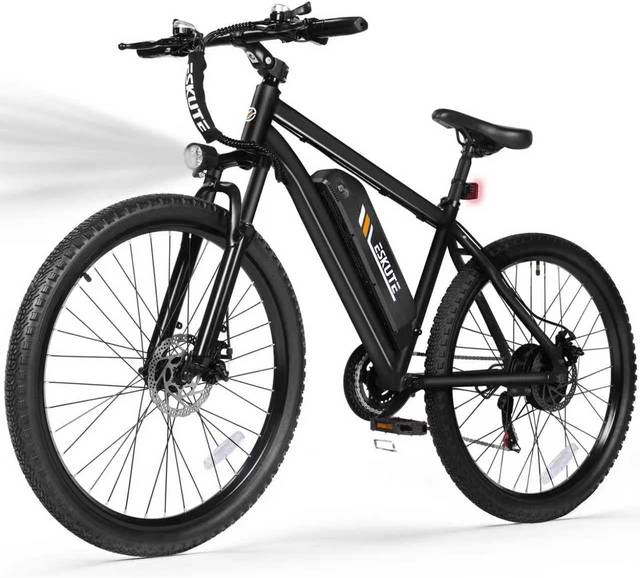
The brakes are the spine. Everything else is cosmetic. I check brake pads on every bike every 100 miles, and I replace them before they're fully worn. On a 220-pound rider with an 88-pound dog in a trailer, that's a lot of stopping force. The ESKUTE mid-drive I keep as a loaner has gone through three sets of pads in 1,100 miles, and that's with me riding it easy.
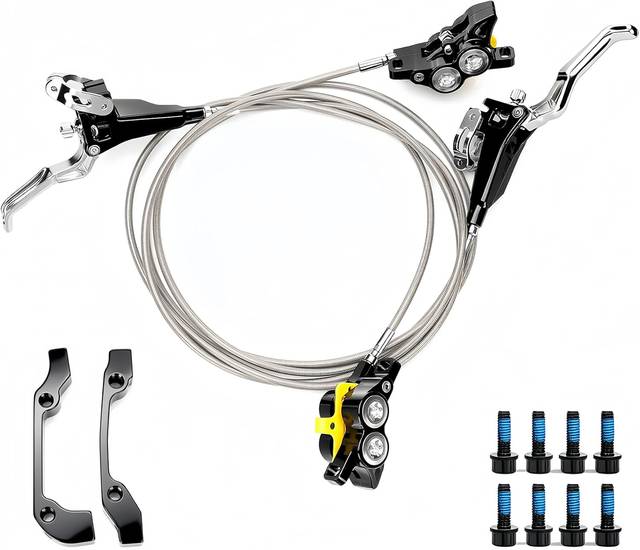
Check the rotors for warping too. I've seen cheap rotors warp after one hard stop from 28 mph. If you feel a pulse in the lever, the rotor is warped. Also check brake fluid level if you have hydraulic brakes. Low fluid means a leak, and a leak means the system needs bleeding. Don't ride with spongy brakes. That's how you end up in a ditch.
3. Tires: the most common failure point
Thin tires are the number one complaint I see across every e-bike brand. One buyer reported, "Replaced two very thin tires in less than 50 miles." That's not bad luck, that's a manufacturing pattern. I check tire pressure before every ride, and I inspect the sidewalls for cracks and wear every time I wash the bike.
My rule: replace e-bike tires at the first sign of sidewall cracking or before 1,000 miles, whichever comes first. The stock tires on most Amazon bikes are garbage. Plan to replace them within the first few months.
Budget ~$60 to ~$100 per tire, and factor that into the cost of the bike. The TACTIEN 3000W I tested had tires that looked fine but slipped on wet pavement.
I replaced them with puncture-resistant tires and never looked back.
4. Chain and drivetrain: clean and lube every 200 miles
The chain is the part most people forget, and it's the part that fails silently. I clean and lube the chain every 200 miles, and I check for stretch every 500 miles. A stretched chain will eat your cassette and derailleur, and that's a ~$200 repair you could have avoided with a ~$15 chain.
On mid-drive bikes like the ESKUTE, the chain takes more abuse because the motor puts torque through it. I've seen chains snap on mid-drives at 400 miles when the rider never lubed them. On hub-drive bikes, the chain is less stressed, but it still needs maintenance.
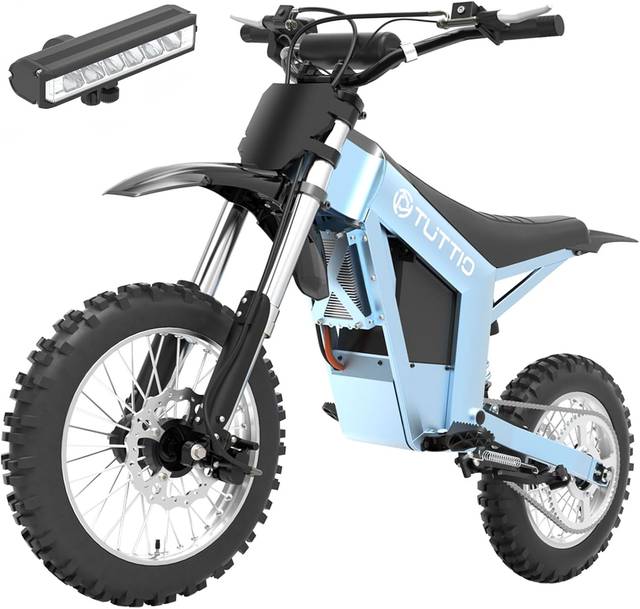
Also check the derailleur alignment. One buyer of a Tuttio Soleil reported, "It derails easy." That's usually a derailleur alignment issue, not a design flaw.
Adjust it before you blame the bike.
5. Bolts and fasteners: check every 50 miles
Vibration loosens everything. I check every bolt on the bike every 50 miles, especially the stem, handlebars, seat post, and motor mounts. I've seen handlebars come loose at 30 mph, and that's not a story I want to tell from a hospital bed.
Use blue Loctite on critical fasteners, and torque everything to spec. Most bikes come with a basic tool kit, but I recommend buying a proper torque wrench. The difference between a ~$25 torque wrench and a ~$200 hospital bill is obvious. Also check the folding mechanism if you have a folding bike. Those hinges wear fast, and a loose hinge is a crash waiting to happen.
6. Electrical connections: inspect monthly
Water and vibration kill electrical connections. I inspect every connector on the bike once a month, looking for corrosion, loose pins, and damaged insulation. Dielectric grease on every connector prevents corrosion, and it costs ~$8 a tube.
The display is a common failure point. One buyer wrote, "Error code 40 appeared on the controller. Right out of the box... Defective." That's a manufacturing defect, but loose connections cause most error codes. Before you contact customer service, unplug and replug every connector. That fixes half the issues I see.
7. Customer service: know who you're dealing with before you buy
Customer service is part of the product. When something breaks, and it will break, you need a seller who answers. I threw my PUJH manual away by accident, and Lily at PUJH responded within hours with videos and a PDF.
That's the gold standard. But I've also seen "multiple attempts to reach the seller via email and phone.
Negative contact on all counts." That's the reality for too many Amazon brands.
Before you buy, email the seller with a question. If they don't respond in 24 hours, that's a red flag. Also check the return policy. A ~$300 return shipping cost on a ~$1,000 bike is a trap. I've seen buyers stuck with defective bikes because the return shipping cost more than the bike was worth.
8. Local laws: check before you ride, not after
I bought a bike once without checking my city's ordinances. It got impounded. Don't be me. One buyer wrote, "I did not know before buying this bike that there are ordinances where the bike will be used. Save yourself a disappointed child/grandchild and find out the rules."
Some bikes are illegal on sidewalks and paths. Some require licenses. Some have age restrictions. Check your local laws before you ride, and check them again if you move. The Talaria and Surron bikes are dirt bikes, and they have different rules than commuter e-bikes. Know what you're buying and where you can ride it.
The competition
I've tested bikes from ESKUTE, Tuttio Soleil, and the Talaria/Surron class. The ESKUTE 1200W peak hub motor is "great value compared to higher priced options" and "better and slightly cheaper" than the Tuttio Soleil.
The Tuttio Soleil is solid but "derails easy" if you don't maintain the derailleur. The Talaria and Surron bikes are premium dirt bikes, but they cost thousands more than the Amazon alternatives and need the same maintenance.
The TACTIEN 3000W will "gap a TalariaXXX and SurronLBX" for a fraction of the price, but you'll replace the tires early.
The bottom line: every e-bike needs maintenance. The question is whether the bike is worth maintaining. A ~$2,000 bike that lasts five years is a bargain. A ~$1,000 bike that dies in six months is expensive.
The checklist above is how you tell the difference. Check your local ordinances before you buy, budget for tire replacements, and keep your chain lubed.
That's the whole secret.