I built my first e-bike conversion in a shop bay because a regular customer wanted to keep riding after a knee replacement. It worked. It also taught me the lesson I repeat in every conversation about electric commuting: an e-bike commuter setup is only as strong as its weakest part. A good motor bolted to a bike with tired rim brakes and an uncertified battery is not a commuter. It is a physics experiment with your collarbone as the control group.
Fifteen years of shop work and seven years of commuting on motors later, I keep a short list for people who ask what to buy before their first electric commute. Four pieces. One of them is not a bike part at all, and I will explain why it earns a spot anyway.
The best starting point for most riders in 2026 is the complete UL 2849 certified step-thru commuter, because a certified battery and brakes that actually work matter more than a peak wattage number on a listing page. If you already own a solid analog bike and your commute has real hills, the mid-drive kit is the smarter money. The stand and the roof bag are support gear: one keeps the bike alive, the other handles the days you drive.
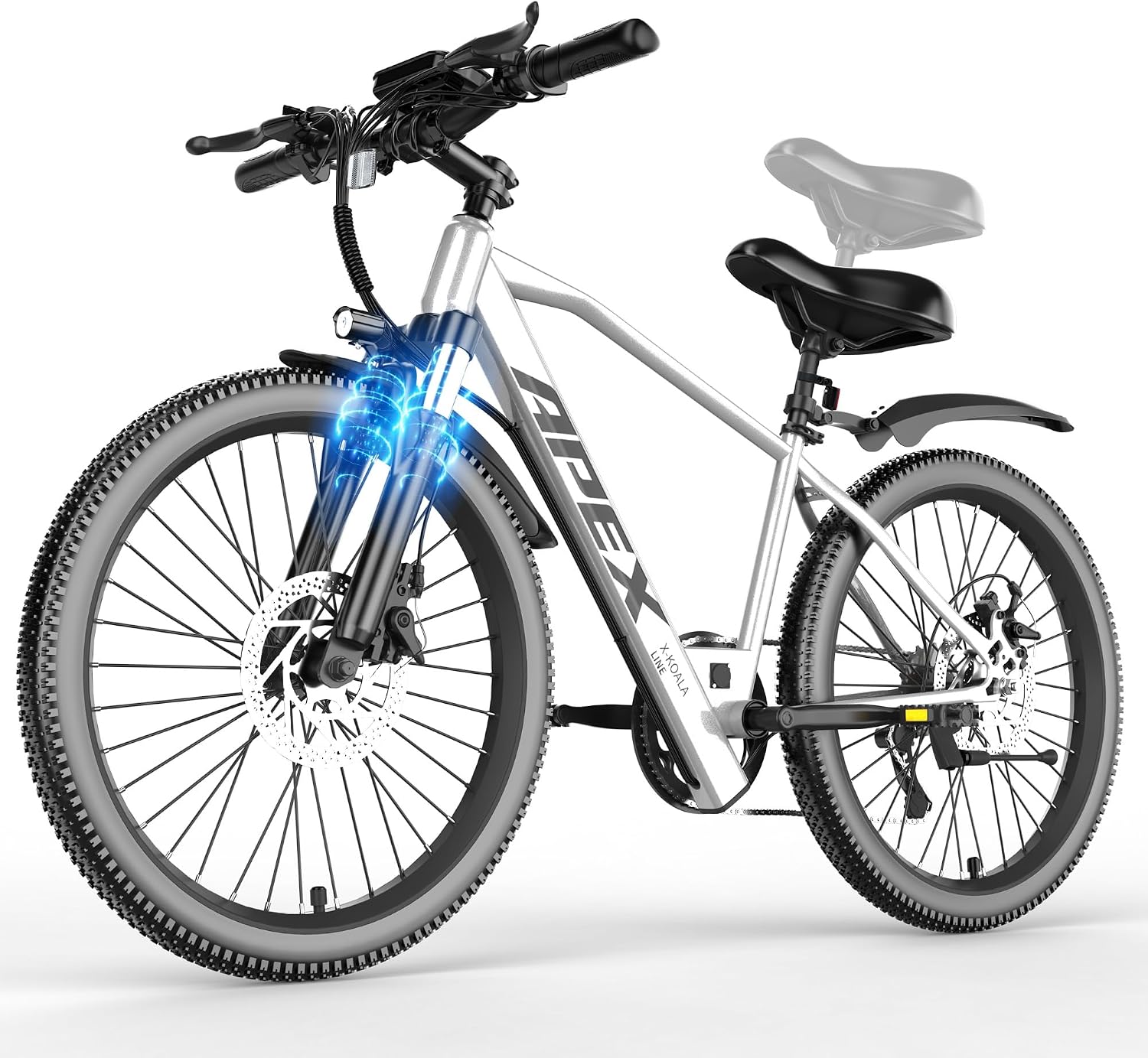
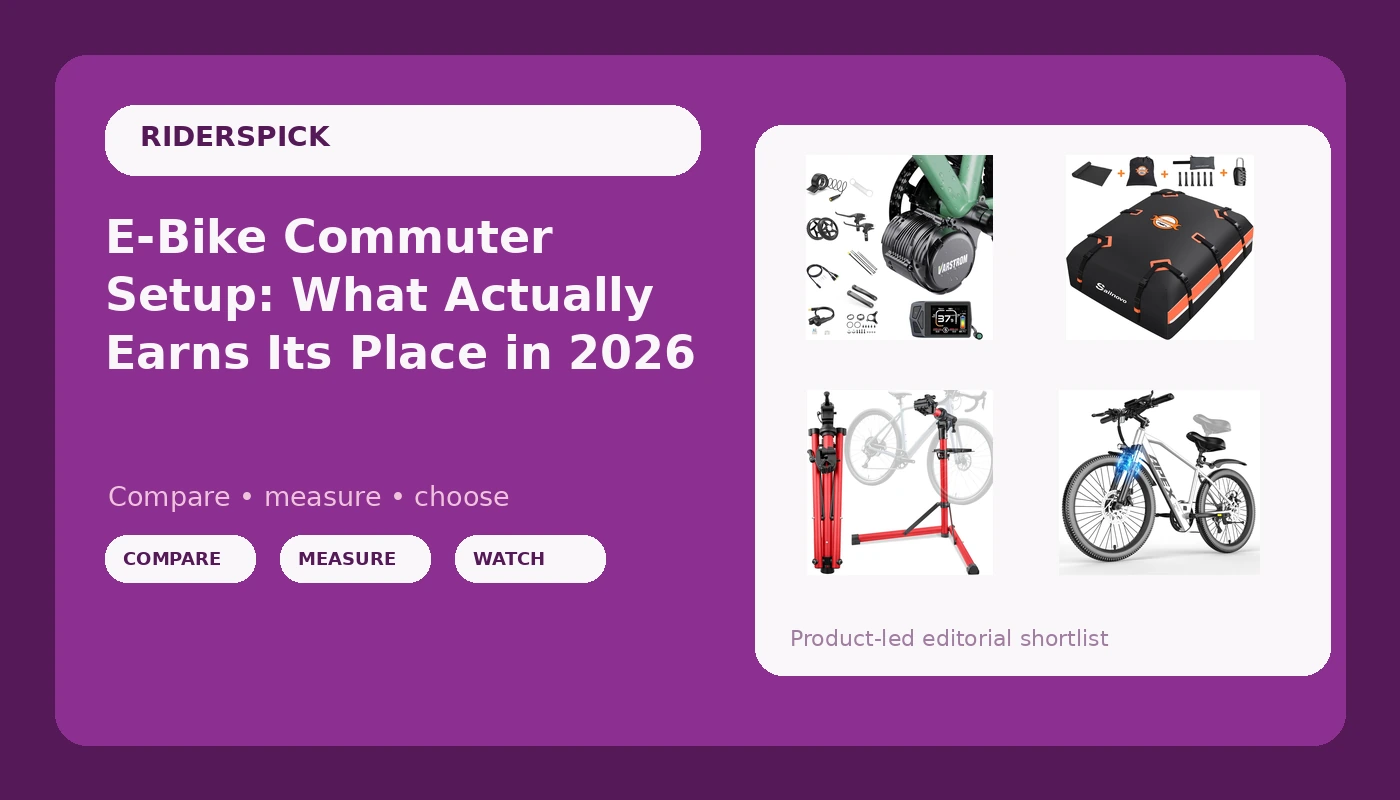
Electric Bike for Adults, 1500W Peak Ebike, 50Miles Step Thru Electric Bicycle, 26" Commuter E Bikes with 48V Built-in Battery, 7-Speed, UL 2849 Certified
UL 2849 certified electrical system, step-thru frame for work clothes, built-in 48V battery keeps weight low, 7-speed gearing for hills
Peak watts are not a torque spec, no dealer network behind it, and I cannot verify brake performance from a listing
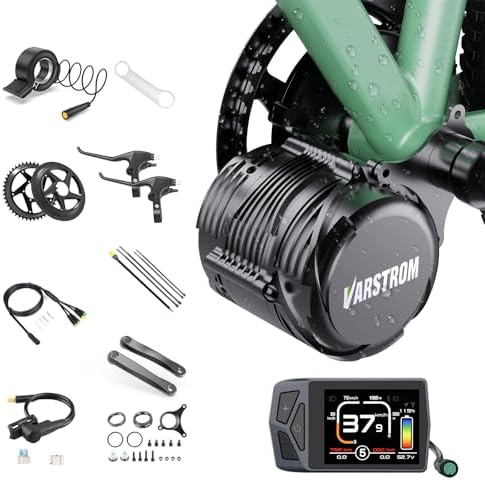
48V750W Mid Drive Kit ,Upgraded 1056W Peak Power Torque Sensored Mid Drive
Mid-drive uses your bike's gears, torque sensing feels like stronger legs, best option for a hilly commute
Needs a compatible donor bike, plus brakes and a battery mount you probably have not budgeted for
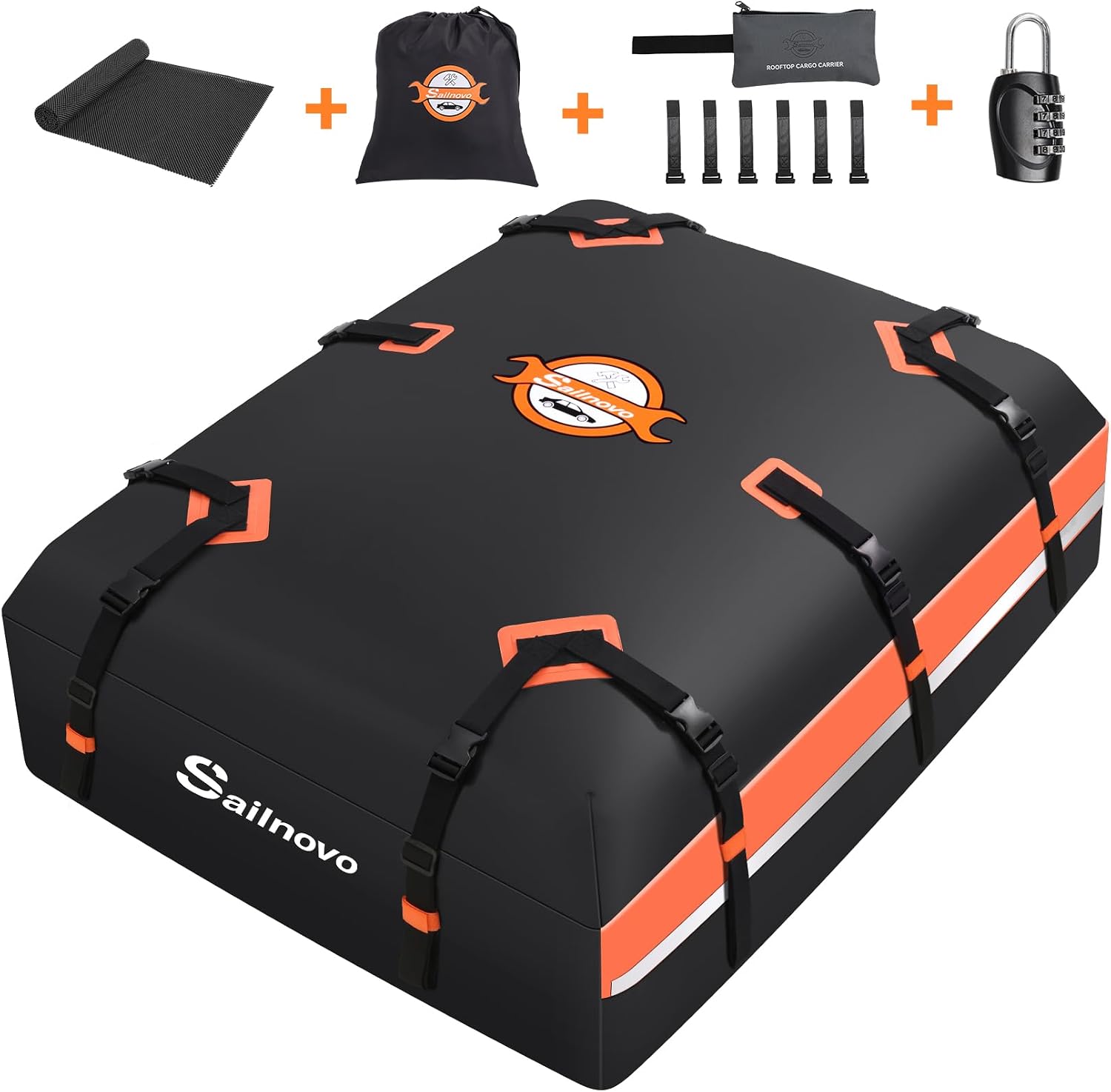
Sailnovo Car Rooftop Cargo Carrier 21 Cubic Feet Waterproof Soft Roof Bag
Real 21 cubic feet, folds flat in the garage, a fraction of the cost of a hard box
Not a bike part, does not lock, and it costs you fuel economy at highway speed
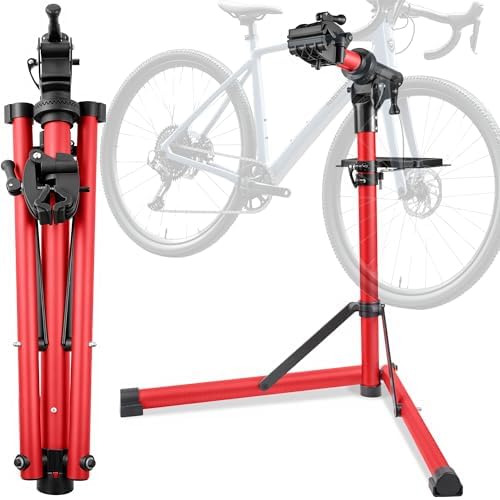
Heavy Duty E Bike Repair Stand 110lbs, Bicycle Workstand Maintenance
110 pound capacity gives real margin over a loaded e-bike, holds the bike at chest height for brake and tube work
It makes nothing faster or safer, and a stand that drops a 60 pound bike is worse than the floor
Prices and availability were captured from Amazon Creators API and may change.
How I judge commuter e-bike gear
I will be straight with you about method, because method matters more than a spec sheet. I have not put 500 miles on all four of these specific products. What I have is 15 years of shop logs, a battery health spreadsheet, and a set of rules I apply to every e-bike that crosses my stand. Those rules are what this comparison runs on.
Four questions, in order.
First, is the battery certified and healthy? UL 2849 for the whole electrical system is the line I do not cross. Batteries are chemistry, not marketing, and an uncertified pack is a fire risk that also happens to be a money pit.
Second, do the brakes stop the bike loaded? An e-bike plus a rider plus a laptop bag is 250 pounds or more rolling at 20 to 28 mph. Rim brakes on a wet rim at that weight is where I stop recommending things.
Third, does the real range match the claim? Range is a function of your weight, your terrain, and your assist level. Any single number on a listing is a marketing decision, including the good ones.
Fourth, will it survive a year of daily commuting? Parts availability and a company that still answers email in 2027 matter more than a launch discount.
Anything that fails the first or second question is out, no matter how good the rest of it looks.
The complete e-bike: the safest first purchase
The step-thru commuter at the top of the table is what I would hand a first-time buyer, and it is mostly because of two words in its name: UL 2849. That is the certification covering the electrical system, and it is the single most important line on any e-bike listing. A 48V built-in battery carrying that certification means the pack was built to a standard rather than assembled from whatever cells were cheapest that month.
The rest of the spec is sensible for commuting. A 26 inch wheel with a step-thru frame is easy to mount in work clothes. The 7-speed drivetrain gives you gearing for climbs when the motor is doing its share of the work. A built-in battery keeps the weight low and centered instead of hanging off a rear rack, where it makes the bike handle like a loaded shopping cart at speed.
The 1500W peak figure is where I would pump the brakes on your expectations, and yes, that pun is intentional. Peak watts sell bikes. What moves you up a hill is torque at the wheel and how the controller delivers it. A peak number describes the controller's ceiling for a few seconds, not what you will feel at the pedals for 45 minutes. It is not a lie. It is just not the number you think it is.
What I would verify in the first month, while you are still inside a return window: the brake type and pad condition, the battery health after a few dozen charge cycles, and whether the motor whines at full assist. Whine at full assist is a pet peeve of mine, and it is usually the first sign of a cheap gearset inside the hub.
The mid-drive kit: the upgrade for a bike you already love
This is the option I would choose personally, and it is the one I would talk you out of if your commute is flat. A mid-drive motor sits at the pedals and drives the chain, which means it uses your bike's gears. That is the entire argument. On a hill you shift down, and the motor gets mechanical advantage through the same cassette you do. A hub motor cannot do that. It spins the wheel at a fixed ratio to your speed and turns the extra amps into heat when the grade wins.
A 750W continuous rating with a 1056W peak and a torque sensor is a spec set I like for a conversion. A torque sensor reads how hard you are pushing and multiplies it, so the bike feels like your legs got stronger instead of like someone flipped a switch. Cadence sensors, the cheap alternative, only check whether the pedals are turning and then dump power in. You feel the difference on the first climb, and you feel it again every day after.
What the listing will not tell you is what the install takes. You need a donor bike with a compatible bottom bracket shell, brakes that can handle the extra speed, and a place to mount the battery that does not put eight pounds on your handlebars. I have seen more conversions fail at the battery mount and the brakes than at the motor itself. Budget for labor if you are not doing it yourself, and do not bolt a 750W kit onto a department store bike with stamped dropouts.
The rooftop carrier: the piece that is not a bike part
This one is not a bike component and I will not pretend it is. It earns a place here because most e-bike commuters still own a car, and this is the piece that handles the days the bike stays home. If you are driving to a trailhead with the bikes on a hitch rack, the gear goes up top. 21 cubic feet is a real number: duffel bags for four people, or a week of camping gear for two, in a bag that folds down to the size of a sleeping pad when you are done with it.
The trade-offs are honest ones. A soft bag on a roof rack adds wind noise and costs you fuel economy at highway speed, and it does not lock, so anything valuable should ride inside the car. Soft bags also need to be strapped tight, and you should check your crossbar weight rating before you load it. If you routinely haul hard cases or need security, a hard box is the better tool.
What the soft bag gets right is price and storage. It costs a fraction of a hard box, it lives on a shelf in the garage, and it does not care whether your roof bars came from the factory or from a parts catalog. For a few trips a year, that is the correct trade.
The repair stand: the piece that saves the other three
If you take one thing from a mechanic, take this: the repair stand is what keeps everything else working. I have watched people spend real money on an e-bike and then fix a rear flat on the kitchen floor with the bike upside down on its bars and levers. That is how you scratch a display, bend a shifter, and decide that maintenance is too annoying to bother with.
E-bikes are heavy. A commuter with a 48V battery commonly lands in the 55 to 70 pound range, which is more than most budget workstands are rated for, and a stand that folds under a 60 pound bike is worse than no stand at all, because the bike lands on you or on your floor. The 110 pound rating on this one gives you genuine margin instead of a hope.
Two shop rules for using it. Take the battery off before you lift the bike, both for the weight and because you do not want a pack dropping two feet onto concrete. And clamp a frame tube or a steel seatpost, not a carbon seatpost and not the down tube where the battery mount lives. Clamp force is real, and carbon does not forgive.
What the stand will not do is make the bike faster or safer. It is not a fun purchase. It is the purchase that means you will actually check your brake pads in March instead of in October when they are metal on metal.
What the numbers actually tell you
Four figures on this list are worth remembering, and the rest are decoration.
UL 2849 on the complete bike is the certified electrical system, which is the spec I care about most and the one that should end most debates.
750W continuous with a 1056W peak on the kit tells you two different things. Continuous is what the motor can do all day on a climb without cooking itself. Peak is the burst it can deliver for a few seconds when you need to clear an intersection.
110 pounds of capacity on the stand is margin, and margin is the whole point. A stand rated at 75 pounds holding a 68 pound e-bike has no reserve for the day you leave the battery on by accident.
21 cubic feet on the roof bag is volume you can compare against your trunk. If your trunk already swallows the gear, you do not need the bag.
The range number, meanwhile, is the one figure I would ignore entirely. Test your own commute, on your own hills, at your own assist level, and write the result in a notebook. That number will be true for you. The listing's number will not.
What order should you buy these in
If you are starting from nothing, buy the complete bike first, the stand second, and the roof bag third. The kit is last, because you cannot install it on a bike you do not own yet, and buying a kit before you have a donor bike is how parts end up in a bin for two years.
If you already own a bike you love, the order flips. The kit comes first, the stand comes second, and the roof bag is optional depending on how often you drive somewhere to ride.
What I am watching next
I have four 2026 commuter e-bikes in the queue, each getting a 50 mile mixed-terrain ride and a battery health check at the 500 mile mark. I want to see which brands are still holding capacity after a season of Austin heat, because that is the number that decides whether a bike is a tool or a hobby.
The other thing on my bench is the mid-drive kit market. Torque sensing used to be a premium feature, and it is showing up on cheaper kits every month. When a torque-sensored kit under $400 holds up for a year, hub conversions on hilly commutes stop making sense, and I will say so in print.
The short version
A certified battery and brakes that stop a loaded bike are the floor, not the ceiling. The step-thru commuter with UL 2849 certification is the safest first purchase for most riders. The mid-drive kit is the better money if you have a good bike and real hills. The repair stand is what makes you a person who maintains an e-bike instead of a person who replaces one. And the roof bag is there for the days you drive, which, if you are honest with yourself, are more days than you planned.