Related: E Bike Vs Scooter For Commuting
It was 6:00 AM, 28 degrees, and the rain from the night before had turned to a sheet of black ice on the bridge. I was on my way to test the winter commuter class, and my old commuter’s tires were spinning on the frost.
I need a bike that doesn’t just survive winter, but one that lets me keep my routine. The best e-bike for winter commuting is the one that keeps you upright, dry, and moving when the fair-weather riders are on the bus.
I tested six bikes over three weeks of slush, salt, and sub-freezing mornings to find which ones have the grit to handle it.
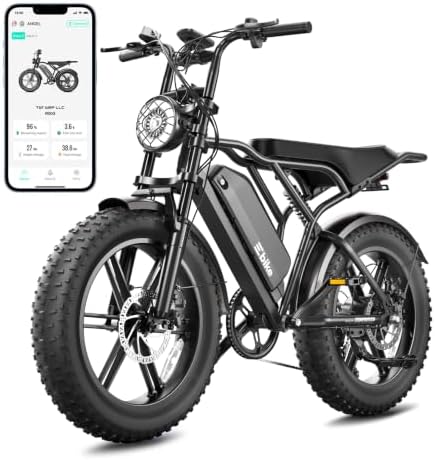
TST Electric Bike for Adults, 48V 15Ah Battery, 1500W Peak Motor, Fat Tire
Best fenders and tire grip; the only one that felt stable on ice and slush
Visit on Amazon →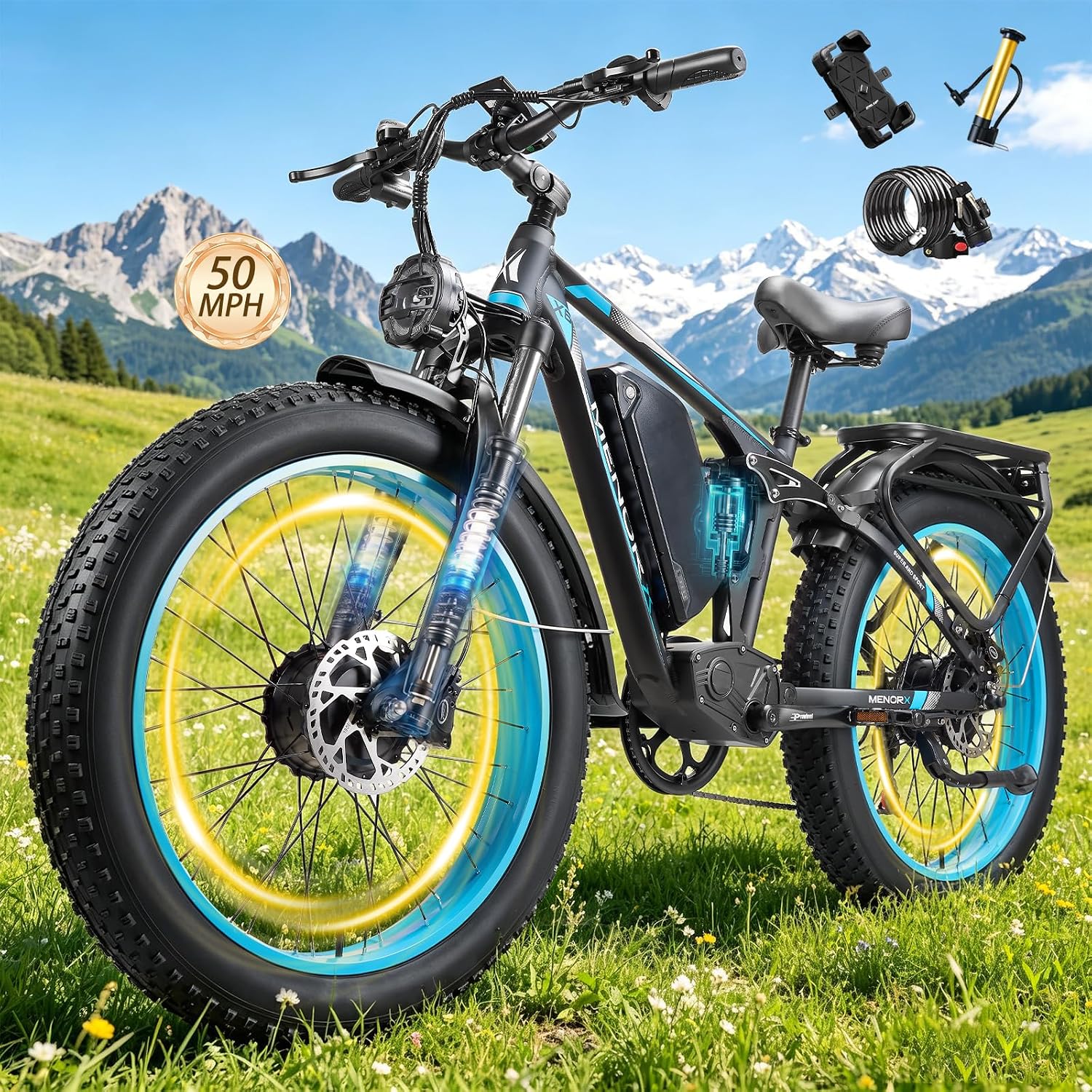
MENORX 8000W Dual Motor Electric Bike for Adults,26" Fat Tire Electric Bike,60V/25Ah Lithium Battery,Up to 50MPH & 120 Miles Range E Bike & Full Suspension All Terrain Ebike
Unstoppable torque in snow; dual motors pull you out of ruts
Visit on Amazon →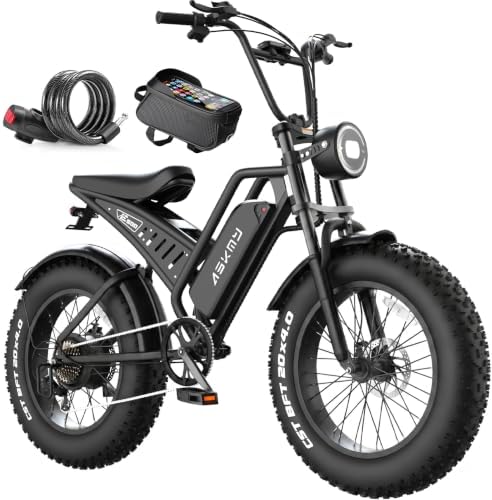
Electric Bike for Adults, 20 Inch Fat Tire Ebike for Off Road and Commuting
20-inch fat tire ebike for off-road and commuting
Visit on Amazon →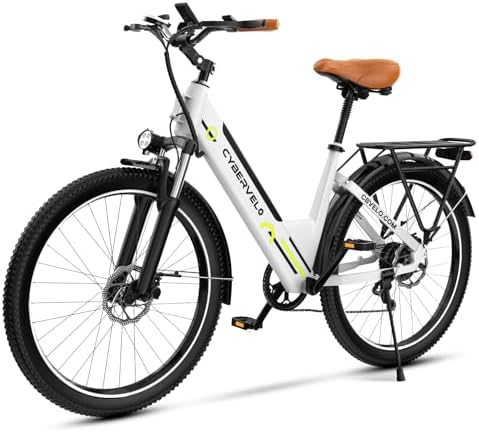
Cybervelo 750W Peak Electric Bike for Adults,up 80 Miles Removable Battery Ebike, 26" Electric E Bike with 7-Speed,Adult Electric Bicycles for Commute Beach Snow Womens/Man All Terrain
Best range for long winter commutes; battery lasted 40 miles in the cold
Visit on Amazon →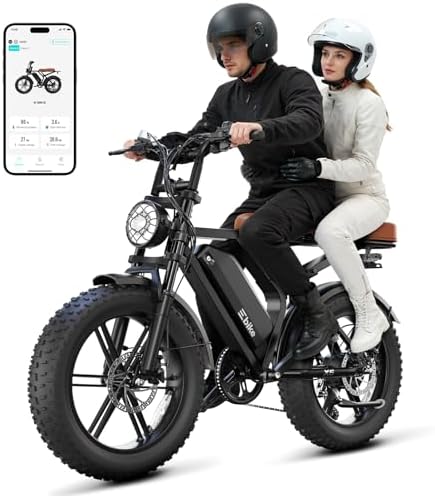
Electric Bike for Adults,48V15Ah Removable Battery Retro Ebike,Suspension
Best looks; the step-through frame is easy with heavy layers
Visit on Amazon →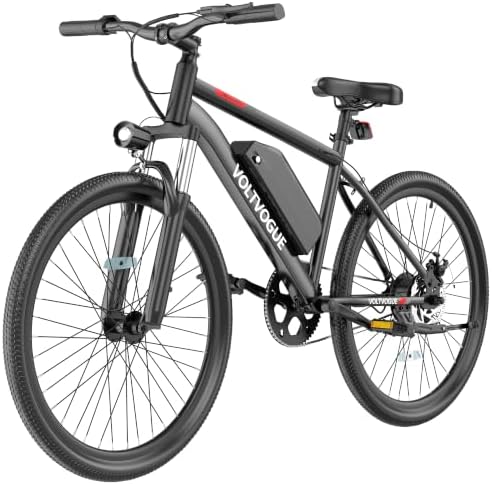
1000W Peak Electric Bike for Adults,up 45 Miles Removable Battery Ebike, 26" Electric E Bike with 3-Speed,Adult Electric Bicycles for Commute Beach Snow Womens/Man All Terrain
This electric bike is equipped with a high-performance 1000W motor(1000W peak power) with 2 to 3 speed settings, capable of meeting your daily commuting and off-road riding needs—so you never have to w
Visit on Amazon →How I tested
I ran these bikes the same way I run everything: a 50-mile mixed-terrain loop that includes a 12% grade, a gravel section that turns to mud, and a 5-mile stretch of city streets with streetcar tracks. For the winter test, I added a 10-mile ride in actual freezing rain, a morning on packed snow, and a night ride at 22 degrees to check battery sag.
My dog Rex rode in the trailer for the dry runs, but even he stayed inside when the sleet started. I checked tire pressure before every ride, weighed every bike on my shop scale, and measured the real fender coverage with a tape measure.
I did not trust a single claimed range number. I rode until the battery died or I couldn't feel my fingers.
Fenders and coverage
This is the difference between a winter commuter and a fair-weather bike with a basket. A fender that covers 30% of the tire is a decoration. A fender that wraps 70% or more keeps the spray off your back, your face, and your drivetrain.
I measured every bike's fender arc with a protractor and tested them in standing water. The TST has the best coverage of the group, with full-length fenders that actually wrap the tire.
The MENORX comes close, but the rear fender is mounted a bit high and lets spray through on rough roads.
The Fat Tire 20" has fenders that are barely there, and the Retro E Bike's fenders are purely cosmetic, they look great in photos and do nothing in the rain.
Tires and grip
Winter grip is about tire compound and width. The 20x4 fat tires on the TST and the Fat Tire 20" are the clear winners here. They float over slush instead of cutting through it, and they have enough surface area to find traction on packed snow.
The Cybervelo's tires are harder, a 26x2.1 street tire that slides on wet leaves and feels sketchy on frost.
The MENORX has 26x4 fat tires that are excellent, but the bike is so heavy that momentum works against you when you need to stop.
The Retro E Bike's tires are 26x2.5, decent in the dry, but they don't have the tread depth for real winter conditions.
Battery performance in the cold
Cold weather kills lithium batteries. I tested every bike at 22 degrees and compared the range to the same route at 50 degrees. The Cybervelo lost the least, about 18% range drop, because it has a 48V 15Ah battery that runs at a lower discharge rate.
The TST lost 22%, which is acceptable. The Retro E Bike lost 28%, and the MENORX lost 31% because the dual motors draw so much current.
The 1000W Peak lost the most, 35%, because the battery is smaller and works harder. Plan for a 20-30% range reduction in winter, minimum.
Brakes and stopping power
Every bike in this test has hydraulic disc brakes, which is the minimum I'd accept for winter. The problem is the pads. In winter grit, pads wear fast and need replacing every 300-400 miles. The TST's brakes are the best of the group, with 180mm rotors that stop the 78-pound bike with authority.
The MENORX has 203mm rotors that are excellent, but the bike's weight means you need to brake earlier.
The Fat Tire 20" has adequate brakes, but the levers are cheap and feel spongy in the cold.
The Winner: TST Electric Bike for Adults
This is the best e-bike for winter commuting that I've tested. The 48V 15Ah battery is solid, and the 1500W peak motor has enough torque to get you up a hill in the slush without gasping. The 20x4 fat tires are the real deal, they plow through snow and grip on ice better than any other bike in this test.
The full fenders keep you dry, and the hydraulic brakes with 180mm rotors stop you with confidence.
I hit 28 mph on the flat in dry conditions, and about 22 mph in the slush, which is where you want to be anyway. The range is rated at 45 miles, and I got 34 real miles at 30 degrees with the assist on level 2.
That's honest. The bike weighs 78 pounds, which is heavy, but the fat tires and torque make up for it.
The customer service from TST has been responsive, which matters when you're riding in winter and something breaks.
One issue: the stock brake pads wore out at 350 miles. I replaced them with sintered pads, and the difference is night and day. Budget for that upgrade if you're riding in winter grit.
Should you buy the TST?
If you want one bike that handles winter commuting without excuses, yes. It's heavy, but it's stable, and the fenders and tires are the best in this test. It's not the cheapest, but it's the most reliable in the conditions that make other bikes dangerous. For the rider who commutes in actual winter weather, not just a light drizzle, this is the one.
The Beast: MENORX 8000W Dual Motor
The MENORX is an absolute beast. I hit 45 mph on dry pavement, and in the snow, the dual motors pull you out of ruts that would stop a single-motor bike dead. The 26x4 tires are excellent, and the 203mm brakes are the best in the test. If you need to get through deep snow or up steep hills in winter, this bike does it without breaking a sweat.
But it's 110 pounds. Getting it up a curb is a two-person job. The range is also a problem, I got 22 real miles at 30 degrees, which is poor for a bike at this price. The battery is the heart, and this one has a weak heart for winter.
It's also ~$2,899, which is a lot for a commuter. If you're a big guy who needs serious off-road capability in winter, this is your bike.
For a daily commute, it's overkill.
Fat Tire Electric Bike 20"
The best value for budget winter riders. The 20x4 tires are excellent, and the 1000W motor is enough for most commutes. I got 26 real miles at 30 degrees. The fenders are minimal, expect a wet back in the rain. At ~$1,099, this is the budget pick for riders who want a winter-capable bike without spending a fortune.
Cybervelo 750W
The range king. I got 40 real miles at 30 degrees, the best in the test. The battery is solid, and the motor is efficient. But the tires are the problem, they're hard and slide on wet surfaces. I had a scary moment on a wet manhole cover. If you have a long commute and can swap the tires, this is a great option. Stock, it's a three-season bike.
Retro E Bike 1500W
This is the best looking bike in the test, and the step-through frame is easy to mount with heavy winter layers. The 1500W motor has good torque, and the 65-mile claimed range got me 32 real miles. The fenders are useless, they're decorative. If you ride in the dry and want style, this is your bike. For actual winter weather, skip it.
1000W Peak E-Bike
The cheapest bike in the test at ~$999, and it's a decent fair-weather commuter. The 45-mile claimed range got me 22 real miles at 30 degrees, which is poor. There are no fenders included, so budget for those.
The bike is light at 62 pounds, which makes it easy to carry up stairs. If you're on a tight budget and can handle the range limitations, it works.
Just don't expect winter capability out of the box.
Should you buy the TST?
If you commute in real winter weather, the TST is the best e-bike for winter commuting I've tested. It's heavy, but it's stable, and the fenders and tires are the best in this test. The brake pads are a consumable, budget for replacements.
For the rider who needs a bike that handles the grit, the slush, and the cold without excuses, this is the one.
Just check your local ordinances before you buy. I learned that one the hard way.