Most of the e-bikes that roll into my shop arrive with a dead battery and a story about a great deal. I have been a bike mechanic for fifteen years, an e-bike commuter for seven, and I still tell people to save up for something better. But not everybody has two thousand dollars, and I have watched enough riders start cheap and upgrade two years later to know the category is not all junk. So this is the comparison I keep having in person, over and over: budget electric bikes for commuting, three of them, plus the one accessory that matters more than any spec sheet.
Related: E-Bike Battery Health: What 500 Miles Actually Tells You
The best of the three for most commuters is the TST, because 48 volts and 15 amp-hours is the largest battery in this group and the battery is the heart of an e-bike. The Jasion EB5 is the lighter, cheaper city bike, the Bodywel folder is for the last mile and the trunk of a car, and the Kryptonite chain is the piece nobody budgets for and everybody needs. That is the short answer. The long answer is about watt-hours, brakes, and why a range number on a product listing is a marketing document, not a measurement.
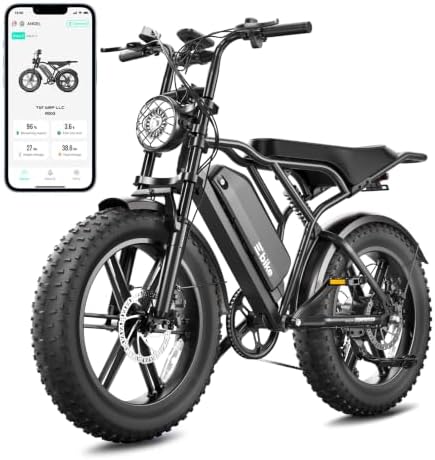
TST Electric Bike for Adults, 48V 15Ah Battery, 1500W Peak Motor, Fat Tire
Biggest battery here at 48V 15Ah, fat tires soak up bad pavement, 1500W peak motor for loaded climbs
Heavy, fat tires cost you range and brake wear, hard to carry up stairs
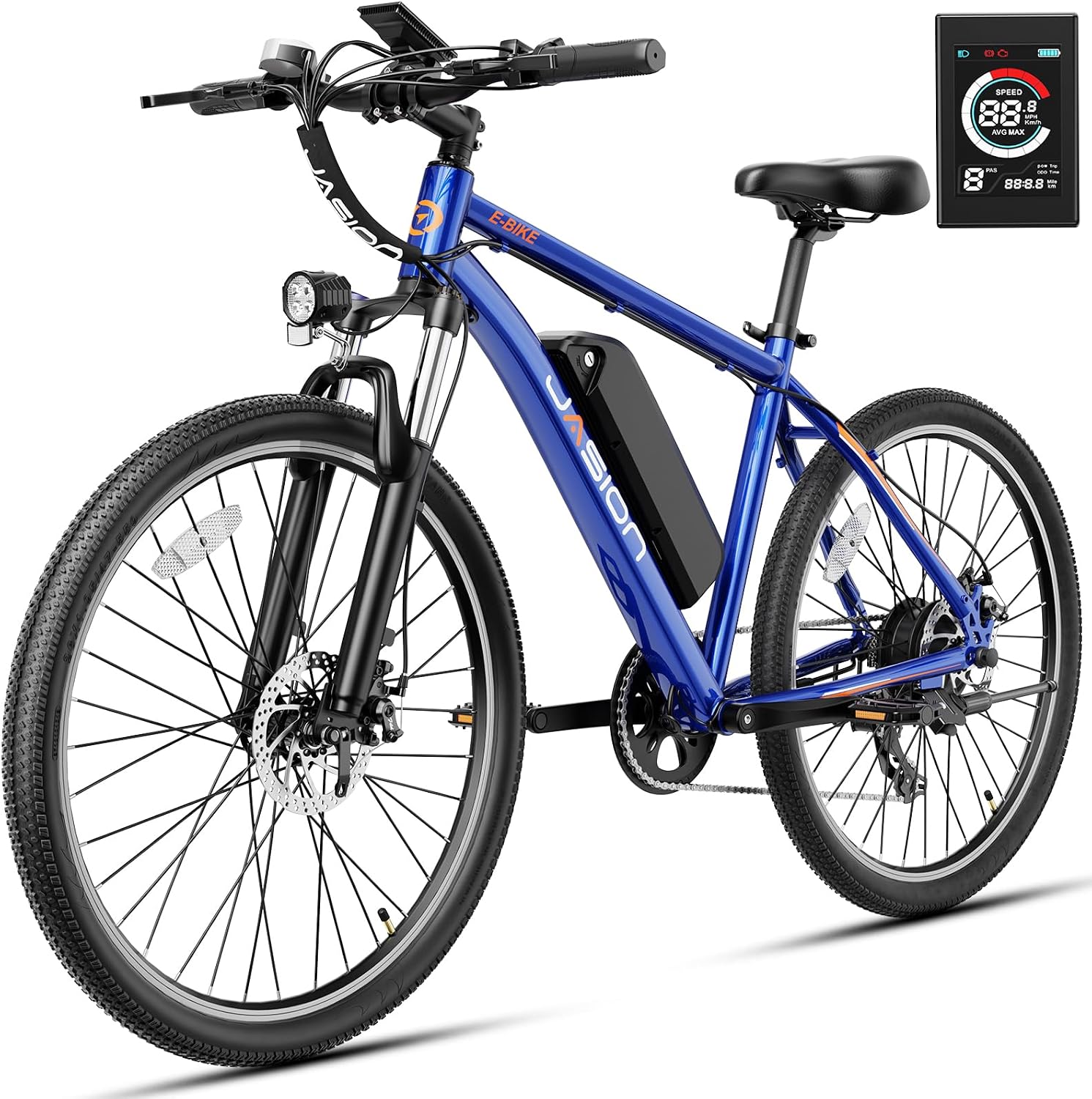
Jasion EB5 Electric Bike for Adults with Peak 1000W Brushless Motor
Lightest and cheapest of the three, 1000W peak hub motor is plenty for flat city streets
Battery capacity is not the headline spec, so range is the open question
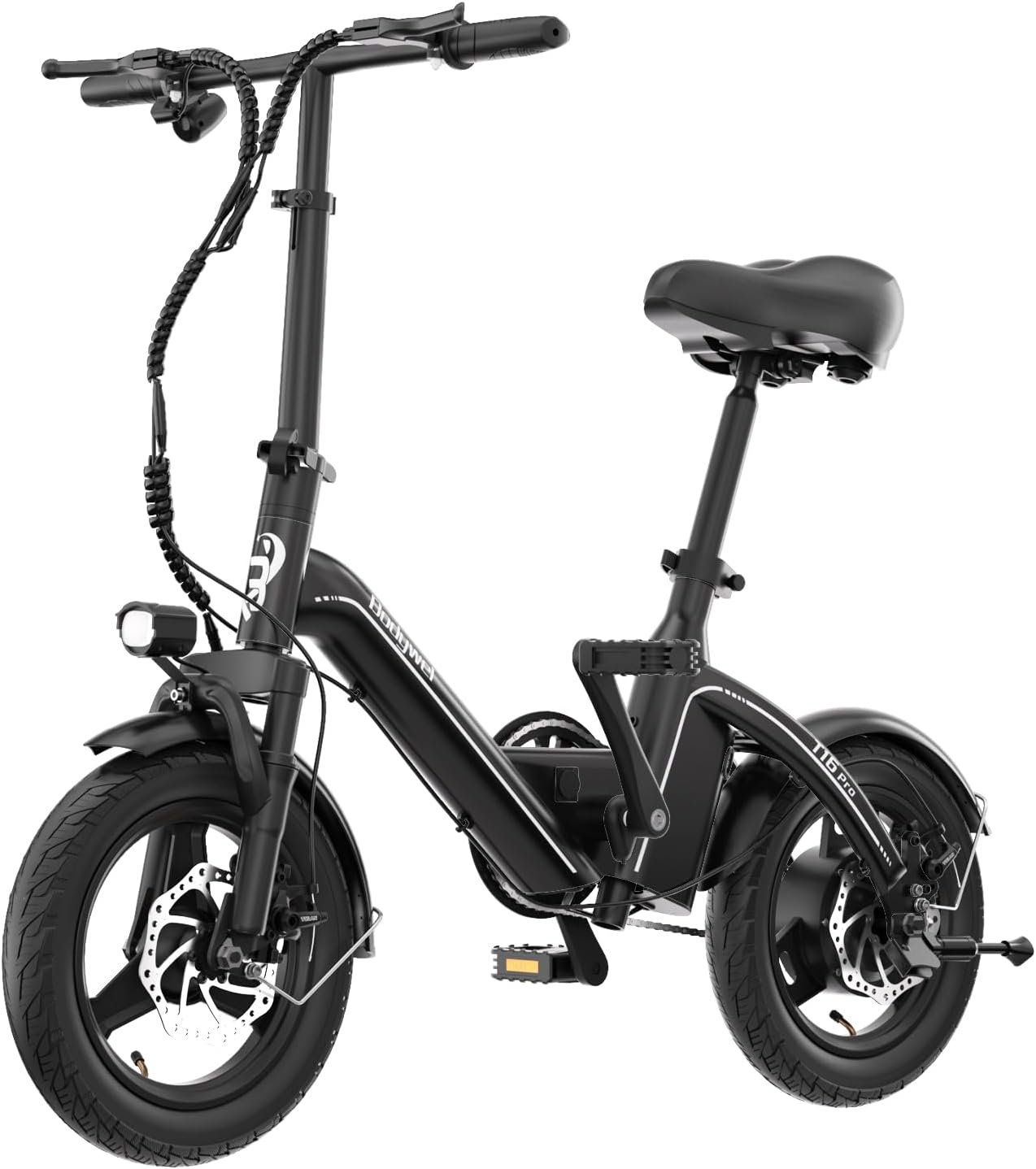
Bodywel Folding Electric Bike for Adults Teens, 400W Peak Motor Electric Bicycle, 20MPH Max Speed & 25 Miles Long Range, 36V 10Ah Battery, 14" Mini E-Bike
Folds, fits an apartment or a train, 20 mph is honest for a 14 inch wheel bike
Smallest battery in the group, small wheels are twitchy on rough roads
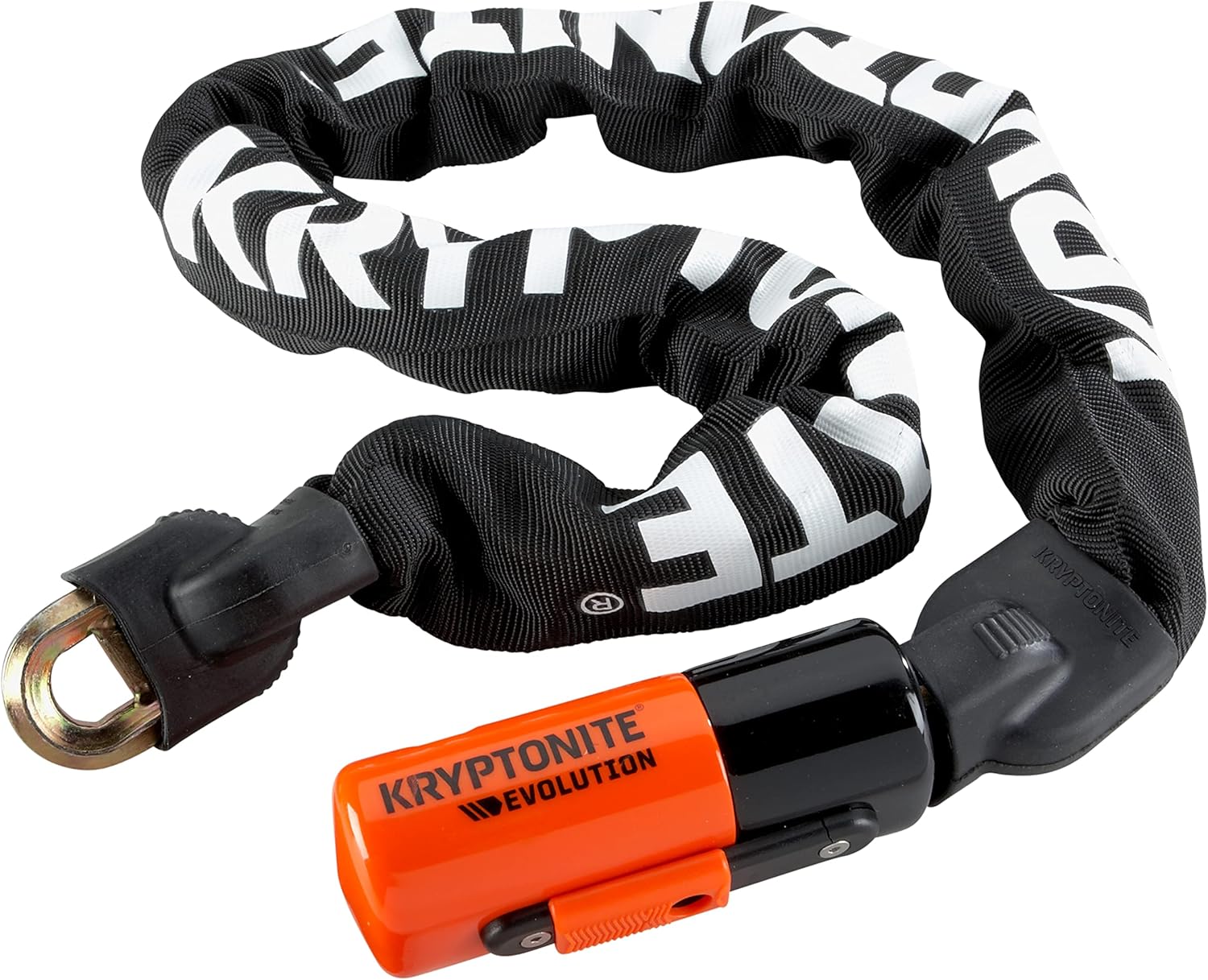
Kryptonite Evolution 1090 Bike Chain Lock, 3 ft, 10mm Steel Security
10mm steel links resist cutters far better than a cable, 3 ft reaches around a real rack
Adds weight, and it costs a real fraction of a cheap bike
Prices and availability were captured from Amazon Creators API and may change.
What I can and cannot tell you
My rule is simple: no review without 100 miles. I have not ridden these three e-bikes for 100 miles each, so I am not going to pretend I have. What follows is a spec-level comparison built from the numbers these listings publish, plus seven years of commuting on hub-drive bikes and a logbook of which motors and batteries fail and when. Where I am guessing, I will say so. Where a number is a manufacturer claim, I will call it a claim.
That distinction matters more in this bracket than in any other. At $3,000 you are paying for engineering, and the spec sheet is usually honest. At $200 to $600 you are paying for parts, and the spec sheet is written by somebody whose job is to sell you a bike.
Watt-hours beat range claims
The first thing I do with any listing is ignore the range number and do one multiplication. Volts times amp-hours gives you watt-hours, and watt-hours is the actual size of the tank. Everything else is a guess about how you ride.
The TST lists a 48V 15Ah battery, which is 720 watt-hours. The Bodywel lists a 36V 10Ah battery, which is 360 watt-hours. Same category, same price neighborhood, half the tank. That is not a knock on the Bodywel, it is a statement about what the bike is for, but it does mean the two bikes will not go the same distance on the same assist level with the same rider.
Two more things about the numbers. Peak watts are not continuous watts. A 1000W or 1500W peak motor is the figure it hits for a few seconds on a climb or off the line, not what it holds for an hour. And a range claim is usually tested with a light rider, on flat ground, at the lowest assist level, in warm weather. Real range depends on your weight, your terrain, and how much help you ask for. My own logs swing by 40 percent between the lowest and highest assist setting on the same bike, on the same route.
Jasion EB5: the city bike
The Jasion EB5 leads with a 1000W peak brushless hub motor. That is the right motor for a flat city commute, and I say that as a guy who tells everyone to buy a mid-drive. A hub motor is simpler, cheaper, and has fewer parts to break. On flat pavement it does the job.
What the listing does not lead with is battery capacity, and that is the number I want. So treat the Jasion as the bike for a rider with a short, flat commute who wants the lightest and cheapest of the three. If your route has a real hill on it, or you are carrying groceries, the smaller tank and the hub drive will show up as slower climbs and more charging.
The buying checks I would run before this one ships: look at the brakes first, because an e-bike that will do 20 mph needs brakes that can stop it loaded, and look at how the assist is triggered. A cadence sensor gives you power when the cranks turn, which feels like an on and off switch. A torque sensor reads how hard you push. If the listing does not say, ask, because that single part changes how the bike feels more than the motor does.
TST: the fat tire workhorse
The TST is the one I would put a heavier rider on. A 48V 15Ah battery, a 1500W peak motor, and fat tires add up to a bike that shrugs off curb cuts, gravel shoulders, and the kind of pavement Austin leaves behind after a wet winter.
Fat tires are the trade. They are heavy, they have more rolling resistance, and they wear brake pads faster because there is more rotating mass to slow down. The TST will be harder to carry up a flight of stairs and harder to hang in a small apartment. In exchange you get a bike that is stable when the road is not, which is worth more than it sounds like when you are commuting in the dark.
Because this bike has the largest battery in the group, it is also the one where I would actually trust a longer commute. But trust is the wrong word. Test it yourself at three assist levels on your own route before you decide the range claim is real. If you are riding 10 miles each way and leaning on the throttle, 720 watt-hours is a working budget, not a guarantee.
Bodywel: the folder for the last mile
The Bodywel is a different animal. It folds, it runs 14 inch wheels, it tops out at 20 mph, and it carries a 400W peak motor with a 36V 10Ah battery. It is aimed at the rider who takes a train, works on the third floor, or keeps a bike in a closet.
On a folder, the small wheels are the whole story. Fourteen inches is twitchy at speed and unforgiving of potholes, so this is not the bike I would hand someone with a 15 mile commute over rough roads. For two to five flat miles, a train ride, and a trunk, it is exactly the right tool, and the fold is the feature that makes the rest of it work.
The 25 mile range claim is a claim. On a 360 watt-hour battery, that number is describing a light rider, flat ground, and the lowest assist level. Plan your real range around your own weight and route, and expect to charge this one more often than the TST. The 20 mph ceiling is honest for the wheel size, and honestly, it is fast enough on a 14 inch wheel.
The lock nobody budgets for
An e-bike you cannot lock is a donation. The Kryptonite Evolution 1090 is a 3 ft chain with 10mm steel links, and it belongs in this comparison for one reason: people spend $200 to $600 on a bike and then buy a $20 cable to protect it. A cable is a suggestion. A 10mm chain is a much louder argument.
Chain versus U-lock is a real choice. A chain is more flexible, so you can reach around odd racks, poles, and bike racks that a rigid U-lock will not fit. The cost is weight, and this one is not light, so plan on carrying it on the frame rather than in a bag. If your bike lives outside at a train station or an apartment rack, the lock is not optional equipment, it is part of the purchase price.
Two locking habits matter more than the lock. Lock the frame and at least one wheel to something solid and immovable, and keep the chain as short and as tight as you can. Slack is where a thief gets leverage. If you are leaving a folding bike around town, take the whole thing with you. That is the advantage the Bodywel has that no chain can match.
What you give up under $600
Battery certification is the first thing I check and the first thing cheap listings skip. Ask the seller directly, and look for the UL mark on the battery label itself, not in the marketing copy. A battery is chemistry, not a promise, and certification is the only paper trail that means anything. This is the one place I will not compromise, because it is the one place a bad decision can burn your apartment down.
Brakes are the second. Look for the rotor size, the caliper type, and whether the pads are easy to replace. Mechanical disc brakes on a budget e-bike are fine when they are set up right, and they need adjustment more often than hydraulic ones. Learn to adjust them or find a shop that will.
The third thing you give up is a dealer network. Nobody is going to hand you a loaner while your bike is in the stand. You are the mechanic now, which is fine if you are willing to learn, and a problem if you are not. Buy from a brand with a parts page and an email address that answers.
Fourth is weight and finish. Cheap frames are heavier, cheap connectors corrode, and cheap hardware rounds off when you put a wrench on it. None of that is fatal. All of it is the reason these bikes cost what they cost.
Which one for which commute
Short, flat city ride and you want the lightest thing here: the Jasion EB5, with a plan to upgrade the brakes if they feel weak.
Longer ride, rough pavement, heavier rider, or a route with real climbs: the TST, because the battery is the biggest and the tires forgive bad roads.
Train, apartment, trunk, last mile: the Bodywel, because it folds, and a bike that folds is a bike you actually use on a multimodal commute.
Every single one of them: a chain lock, bought the same day as the bike, not three months later after the first theft.
What I am testing next
There is a 2026 commuter in my stand right now heading toward its 500 mile battery health check, which is the number I care about most and the number no listing publishes. I log capacity loss the same way every time, and I will report what I find, good or bad, when the test is done. I also want to put a watt meter on a couple of budget hub motors to see what the peak numbers look like in the real world versus on the box.
The short version
Buy the bike that matches the commute you actually ride, not the one in the advertisement. If your route is flat and short, the Jasion EB5 does the job for the least money. If it is long or rough, the TST's 720 watt-hours is the reason to spend more. If your commute includes a train, the Bodywel folds. And whatever you ride, spend the money on the Kryptonite chain, because the best budget e-bike in the world is worthless the day somebody walks off with it.