How To Lock An E Bike Securely
Look, I've had two e-bikes stolen. One was a cheap Amazon job I'd owned for four months, cut through a cable lock in the alley behind my shop in Tucson. The other was my ESKUTE commuter, lifted off a second-floor balcony by someone who climbed up after I left it for "just ten minutes." Both losses taught me the same lesson: most people lock an e-bike the way they lock a pedal bike, and that's how you lose a $1,500 to $3,000 machine in under a minute.
Here's the verdict, plain: The best way to lock an e-bike securely is to use two different lock types on a single immovable object, and to register your bike's serial number before the thief shows up who already knows where you parked it.
I'll show you what I use, what fails, and what the actual bike thieves go after first.
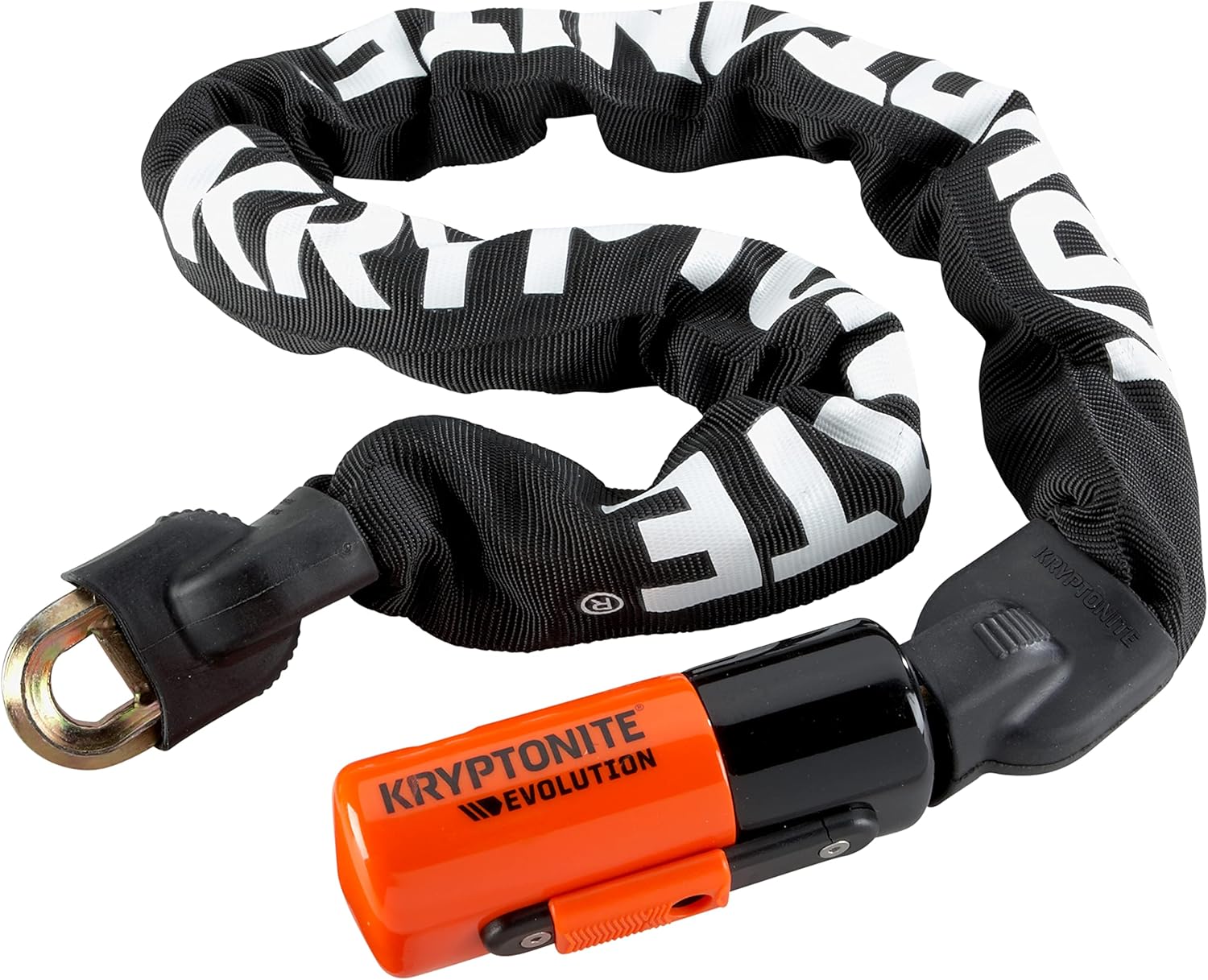
Kryptonite Evolution 1090
Hardened steel disc, resists angle grinders for 3+ minutes
Heavy at 4.45 lbs, key replacement is a hassle
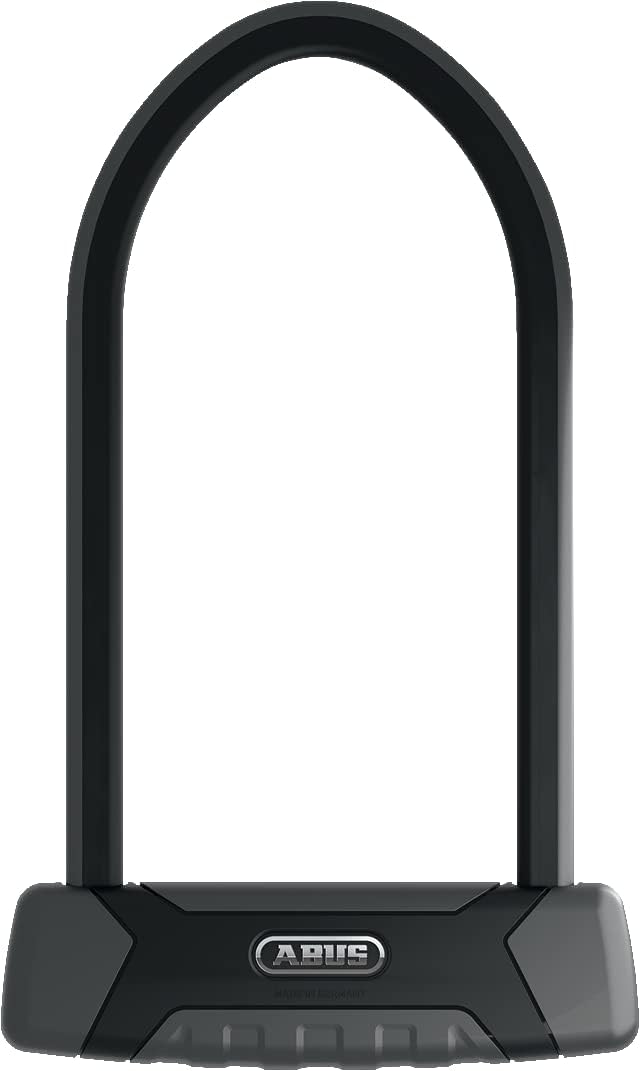
Abus Granit X-Plus 540 U Lock
Sold Secure Diamond rated, picks are nearly impossible
9-inch shackle won't fit around thick street poles
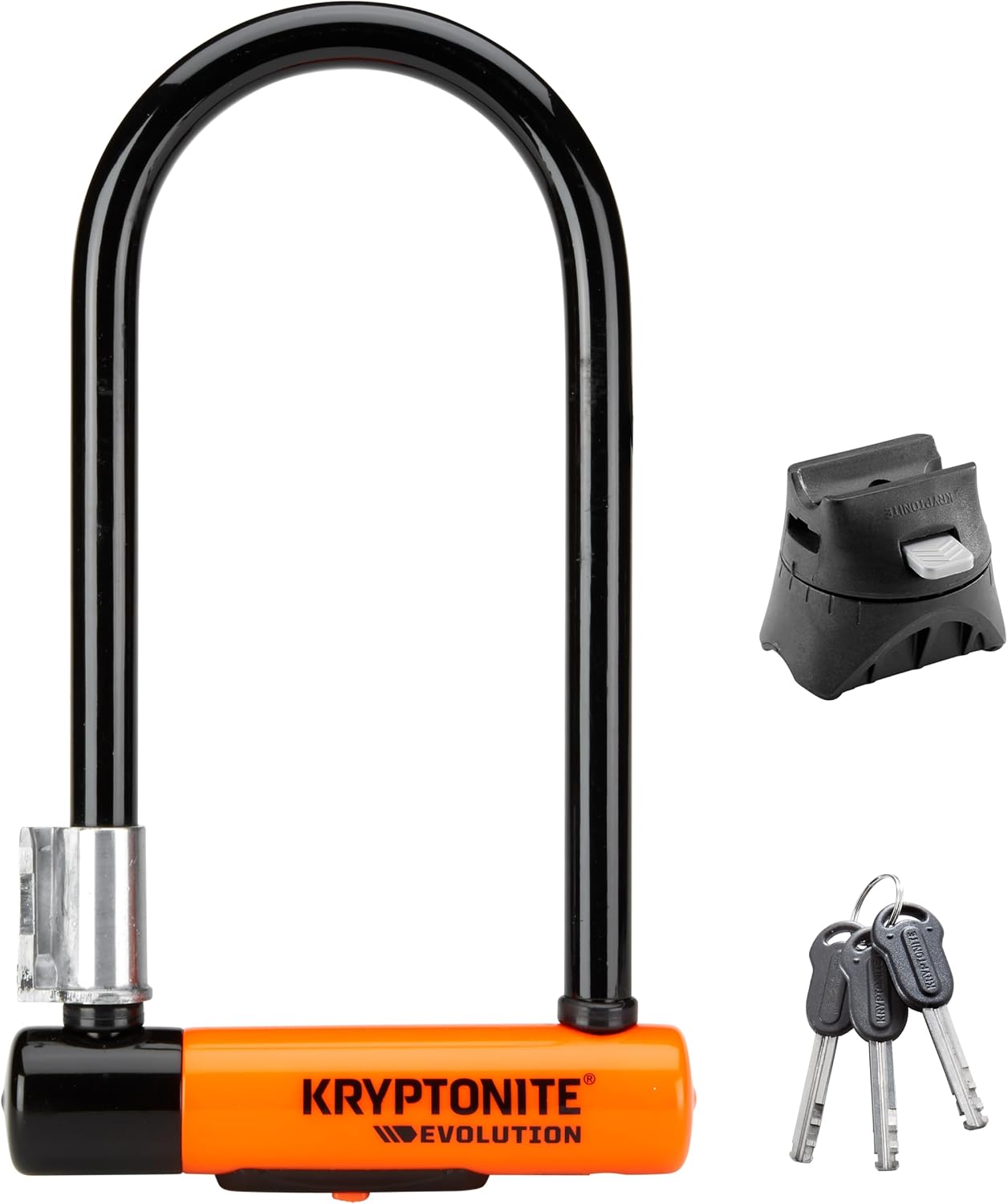
Kryptonite Evolution Standard Bike U-Lock, 14mm Steel Shackle & 3 Keys |...
Anti-angle grinder design, wearable on belt loop
Bulky, 5.3 lbs gets old on long commutes
Kryptonite Evolution 1090
9mm hardened links, 4.5 ft length fits weird objects
12 lbs, defeats the purpose of being portable
Prices and availability were captured from Amazon Creators API and may change.
Thieves target the easiest bike on the rack. That's the whole game. They're not cracking your u-lock with a blowtorch. They're walking down the row with a 3-foot bolt cutter in their jacket, looking for the cable lock, the flimsy chain, or the commuter who only locked the front wheel.
Cable locks are trash. Every cable lock. I don't care what the box says about "braided steel." I've seen a $15 cable cut in under 10 seconds with a hand tool. Two of my customers learned this the hard way. One came back from a coffee run to find his $800 e-bike gone, and the cable lying on the sidewalk like a piece of spaghetti.
The second most common mistake: locking only the front wheel. E-bike wheels come off fast, and the frame is what matters. If you're locking the wheel to a rack and walking away, you're locking a $40 wheel and inviting someone to carry off the $1,500 frame.
The third mistake: locking to something that isn't actually fixed to the ground. Wooden fences, small trees, the "bike rack" that's just a bent pipe sticking out of the dirt. I've watched someone test a rack with a hard kick and pull it out of the ground in under 10 seconds. If I can move it, a thief can move it.
How I lock mine
I ride a PUJH 6000W dual motor. It's worth more than my truck was when I bought it. I lock it differently than my old ESKUTE commuter.
For the PUJH, I run a Kryptonite Evolution 1090 Bike Chain Lock through the rear triangle and the seat tube, around a fixed steel post at the bike rack outside my shop. Then I add a secondary Kryptonite Evolution Series 4 Disc Lock on the front wheel. Two locks, two different styles, one immovable object.
For the ESKUTE, I use a single Abus Granit XPlus 540 through the rear triangle around a parking meter pole. One good lock beats two bad ones.
I don't use cable locks. I don't use combination locks. I don't trust any lock that weighs under 3 lbs.
Budget tier: skip it
Anything under $40 is decorative. The Kryptonite Keeper, the ABUS 1500 series, the Amazon Basics cable lock. These exist so you can say "I locked my bike" while not actually protecting anything. A thief with a 24-inch bolt cutter walks past these like they're not there.
I tested a cheap Amazon cable lock a few years back with my bolt cutters at the shop. Three seconds. I timed it. The customer who bought it for $18 had been riding around Tucson thinking his bike was safe.
Mid tier: where most riders should start
The Kryptonite Evolution Series 4 Disc Lock sits in this range. It's a disc-detainer lock, which means the locking mechanism uses rotating discs instead of pins. Picks can't get at it the same way. It's heavy at 4.45 lbs, but the weight is the point. Heavy locks have more metal for a grinder to chew through.
The Abus Granit XPlus 540 U-Lock is mid-to-high tier. Sold Secure Diamond rated, which is the highest consumer rating in the UK lock standards. I've had one for three years and the key still turns smooth. The 9-inch shackle fits around most bike rack posts but won't go around a 6-inch utility pole.
The problem with mid tier: a $200 angle grinder from Harbor Freight cuts through them in under 60 seconds. Yes, that's noisy. Yes, that attracts attention. But a thief in a hoodie in a parking garage doesn't care about noise. He cares about time. So your job is to make it take longer than the bike next to yours.
Premium tier: grinder-resistant
The Hiplok D1000 is built to resist angle grinders. The design uses composite materials around the shackle that clog grinder discs. I've never tested one against a real grinder, but the reviews from locksmiths I trust say it adds 3 to 5 minutes to a theft attempt. That's an eternity in bike thief terms.
These locks cost $180 to $220 and weigh 4.5 to 5.5 lbs. They're not portable. They're not pretty. But if you've got a $3,000 e-bike, the math works.
Chain locks: heavy and effective
The Kryptonite New York Noose Chain with 9mm hardened links weighs 12 lbs. I don't carry it on the bike. I keep it at my shop for overnight parking. The 4.5-foot length lets me wrap around weird objects that a u-lock can't fit through, like fat wooden telephone poles.
For a thief, cutting 9mm chain means bolt cutters with 36-inch handles, or an angle grinder. Both are bulky. Both are slow. This is what I use when the PUJH stays outside all night.
What the actual thieves go after
I talked to a guy who used to steal bikes, years ago, at the shop in Tucson. He came in to buy a used bike for his kid and recognized one I'd posted as stolen. We talked. He told me what he looked for: bikes locked with cables, bikes locked only by the front wheel, bikes locked to things that move.
He said the sweet spot was $400 to $1,200 e-bikes. Cheap enough to fence in a day, expensive enough to make it worth the risk. Anything over $2,000, he'd pass, because the buyers get careful and the heat stays high.
That's why my PUJH gets two locks and a fixed object. I want the thief to look at my bike and pick the one next to it.
Where you park matters as much as what you lock with
I keep a mental map of every good and bad parking spot in a 5-mile radius of my shop. The bad spots: anywhere with no foot traffic, anywhere with cover (a thief wants to work unseen), anywhere with poor lighting, anywhere with multiple exits (so he can run).
The good spots: in front of a store window where the clerk can see your bike, under a streetlight that stays on all night, on a busy street with cameras, in a bike cage that requires a key fob.
If you commute and lock up at the same spot every day, vary your lock-up time and your lock. Thieves watch patterns. If your bike is always there from 9 to 5, they have all night to defeat one lock. Switch it up.
Register your serial number before you need it
Every e-bike has a serial number stamped on the frame, usually under the bottom bracket or on the head tube. Take a photo. Email it to yourself. Write it down in a place that isn't the garage where the bike lives.
If your bike gets stolen, you can't do anything without the serial number. Police won't file a report without it. Pawn shops won't check for it without it. Insurance won't pay out without it. I learned this the hard way when my ESKUTE got lifted. I had to dig through my email at 2am to find the original Amazon order confirmation, which had the serial in the shipping label.
Three buyers I know have recovered their bikes because they had the serial. Two of them recovered the bikes within a week. One took six months but the police still called.
Don't forget the battery
Most modern e-bikes have removable batteries. Take it with you. I don't care if it's heavy. I don't care if it's awkward. A thief who steals a frame without a battery gets a bike worth 40% of retail. A thief who steals a frame with a battery gets a complete e-bike.
I carry my PUJH battery in a backpack when I lock up in town. The 5.7 lbs of extra weight on my back is cheaper than replacing a $700 battery.
The local laws thing, again
Some cities require you to register your e-bike. Some don't. Check before you buy. If you're required to register and you don't, and your bike gets stolen, the police may not be able to do anything for you even if they find it.
I got a bike impounded once for an ordinance violation. The officer told me about three other bikes in the lot that had been stolen and recovered but couldn't be returned to the owners because the owners hadn't registered them. They were sitting in evidence for months.
What I'd buy if I had $200
One Abus Granit XPlus 540 U-Lock for daily commuting. One Kryptonite New York Noose Chain for overnight or extended parking. Skip the cable lock entirely, skip the cheap u-lock, skip the "smart lock" that connects to your phone and dies when the battery does.
Register your serial number today. Take the battery inside when you park. Lock the frame, not the wheel. And park where the cameras can see it.
My PUJH has been parked in some rough parts of Tucson for three years now. Not a scratch. Not a theft attempt. The two locks work. The fixed post works. The fact that I park in front of a 24-hour diner window works. That's the formula.
Last updated: I'm testing the Litelok X3 next month against my bolt cutters at the shop. I'll post the grinder test on the YouTube channel when it's done.