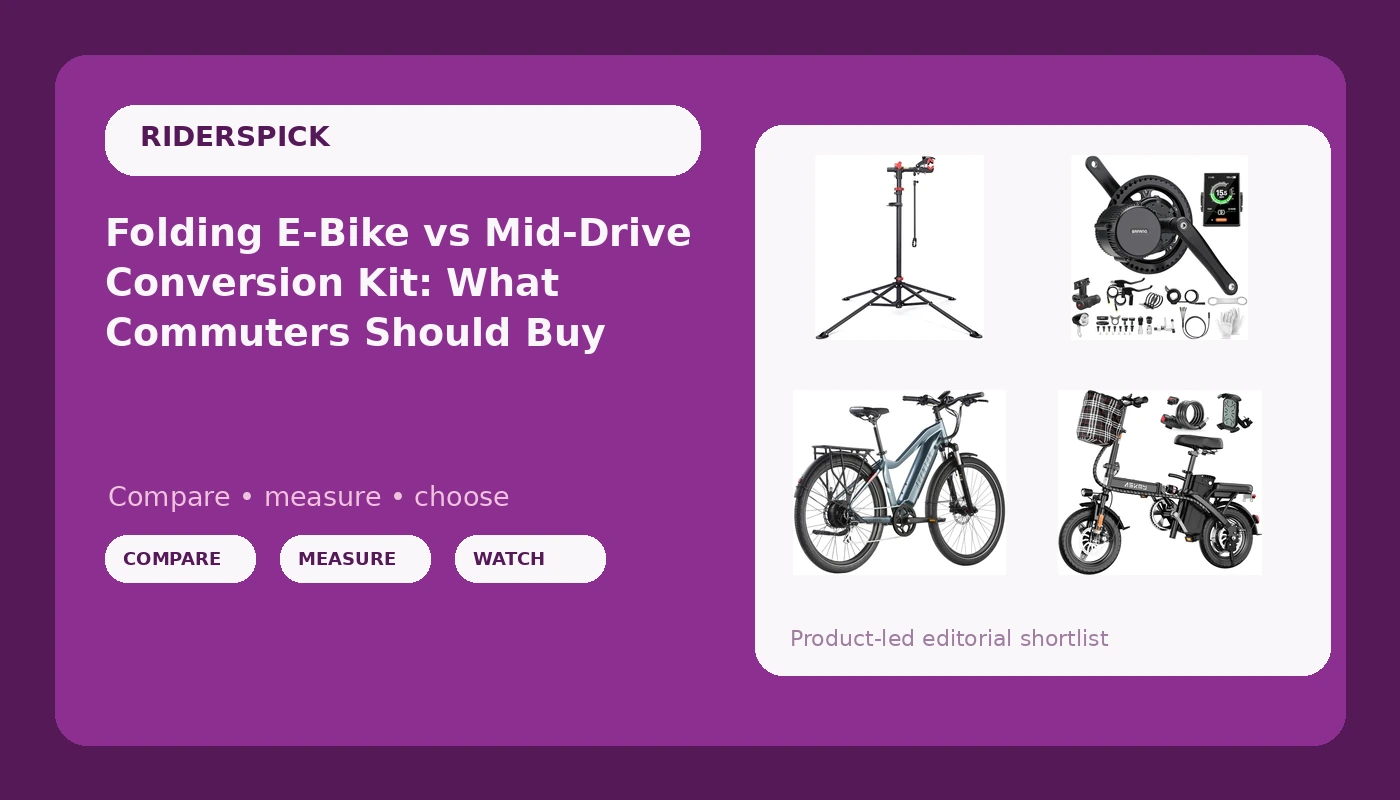
I have been a bike mechanic for 15 years and an e-bike commuter for seven, and the question I hear most often is not about top speed. It is about durability: which bike will still be working, and still safe, after a year of daily commuting. That question is the spine of this commuter e-bike comparison. Four products, four different jobs. A torque-sensor commuter for riders who want the bike to feel like a bike. A folding e-bike for riders with no garage and no secure rack. A 750W mid-drive conversion kit for riders who already own a frame worth keeping. And a repair stand, because none of the first three stay roadworthy without maintenance.
Here is the frame I use on every e-bike I look at: is the battery certified and healthy, do the brakes stop a loaded bike, does the motor match the terrain, and would I trust it for a year of commutes? Peak wattage claims and range figures measured on flat ground at 50 pounds are marketing. What matters is battery chemistry, brake hardware, and whether the company still exists when you need a replacement part.
Related: Hub Motor vs Mid-Drive for Commuting: Which One Belongs on Your Route
For most commuters, the torque-sensor commuter is the pick, because a torque sensor is the difference between a bike that helps you and a bike that surprises you. But that only holds if you have somewhere to park a full-size bike. If you do not, the folding e-bike is not a downgrade, it is the only option that survives a fourth-floor walk-up. And if you already own a bike you love, the mid-drive kit is the smarter money, assuming the frame is worth the labor.
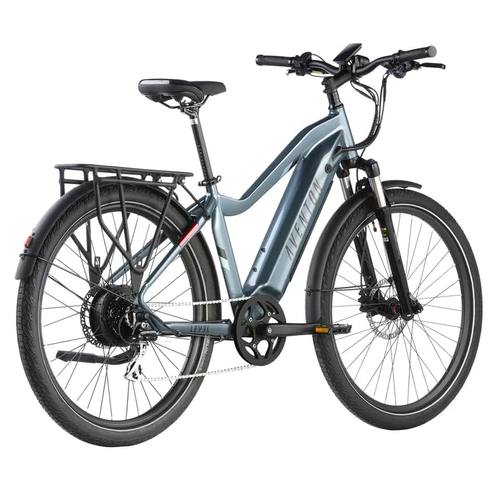
Level 2 Torque Sensor Commuter Adult Electric Bike
Torque sensing and commuter geometry make it the most natural ride of the four
Full-size frame needs real parking, and battery health is the long-term question
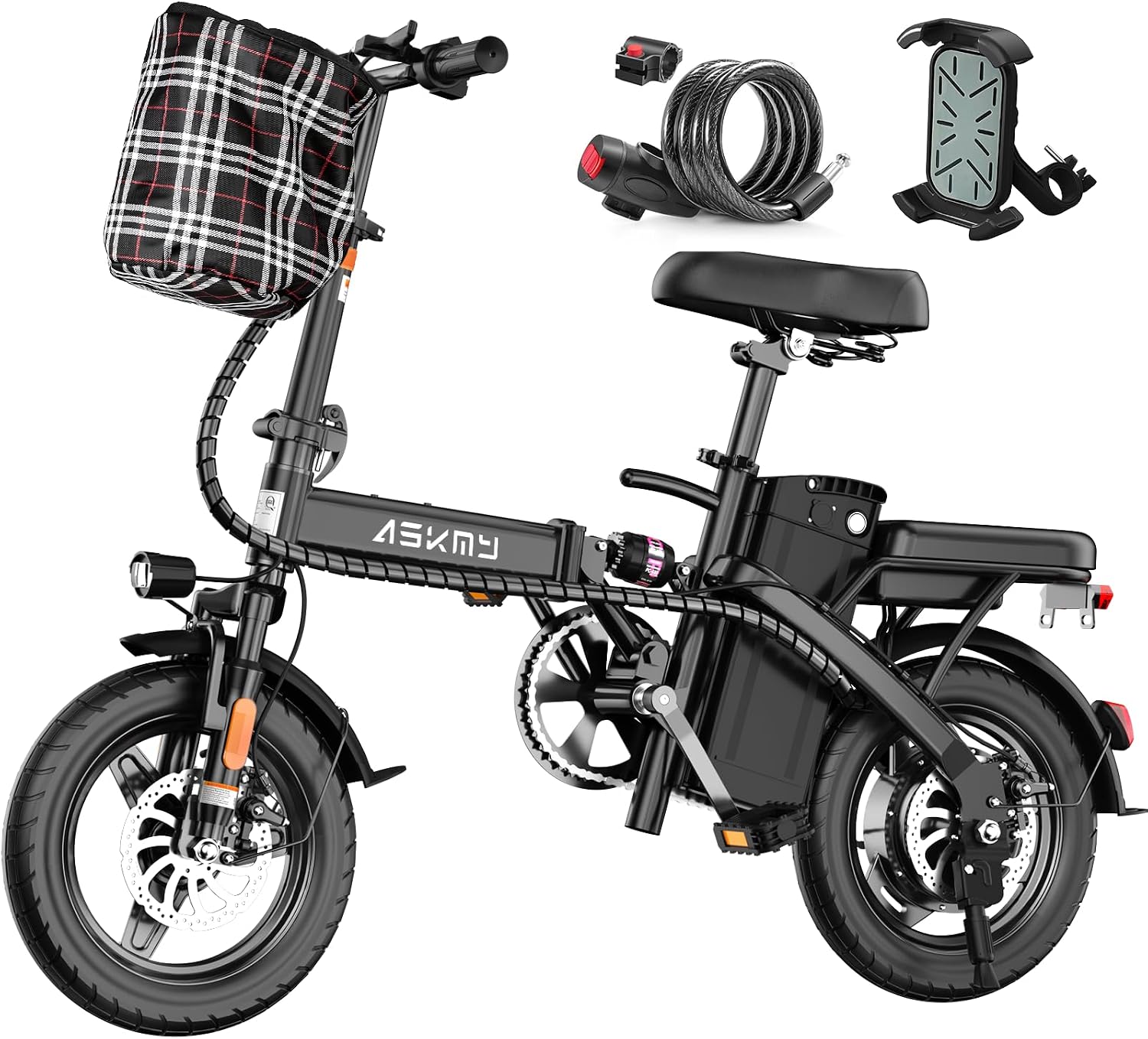
Folding Electric Bike for Adults and Teens, 14" E Bike for Daily Commuting
Folds into a desk-sized footprint for apartments, offices, and multimodal commutes
14 inch wheels ride harsh on rough pavement and are not built for long distances
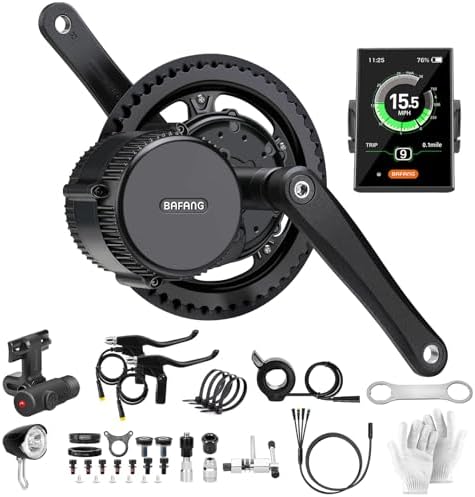
BAFANG 48V 750W Electric Bike Conversion Kit Mid Drive with Chainring 44T, BBS01B Mid Motor Kit for Women Men Adults, DIY eBike Pedelec Kit C18 Display, Thumb Throttle
750W mid-drive uses your bike's gears, so hills get handled at the chainring instead of in the wheel
Needs tools, an afternoon, and a donor frame with brakes and a drivetrain worth trusting
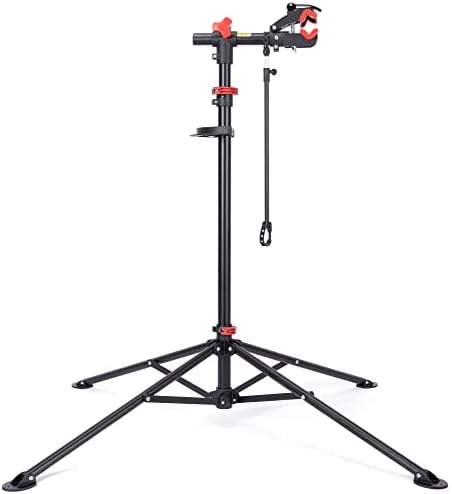
CXWXC Bike Repair Stand - Bike Stand For Maintenance Workstand
Makes chain, brake, and tire work possible at home on a 60 pound bike
Does not move you an inch; it is an accessory, not a ride
Prices and availability were captured from Amazon Creators API and may change.
The torque-sensor commuter: the natural ride
The Level 2 is the one I would hand to a friend who wants to replace car trips without learning a new way to ride. A torque sensor reads how hard you are pushing on the pedals and multiplies that effort. A cadence sensor, which is what most budget e-bikes use, waits for the pedals to turn and then dumps power. The difference shows up at every stoplight and in every crowded bike lane. With torque sensing, the bike moves the way your legs expect. You push, it helps. You ease off, it fades.
For commuting specifically, that smoothness is not a luxury. It is how you keep the bike under control in traffic, and it is how you stretch a battery across a week of short rides. A torque sensor also makes you work a little harder, which is a feature if you wanted exercise and a bug if you did not.
The geometry here is aimed at exactly what the name says: adults riding to work. Upright bars, a frame that can take a rack and fenders, and a motor tuned for steady speed rather than drag racing. Two things to verify in the listing before you buy: battery certification and brake type. A UL listing on the battery, or on the whole bike, is the floor, not a bonus. On brakes, check the spec carefully. At 28 mph with a rider and a loaded rear rack, hydraulic discs are the honest choice, and cable discs need regular adjustment to stay that way.
Visit on Amazon: Level 2 Torque Sensor Commuter Adult Electric Bike
The folding e-bike: solving storage, not distance
A folding e-bike solves a problem no full-size commuter can solve: where the bike sleeps. If you live in a walk-up, work in an office with no rack, or ride a train for part of your commute, a folder is the difference between owning an e-bike and owning a very heavy piece of furniture.
This one folds to a footprint you can tuck beside a desk, and the 14 inch wheels keep the folded package small. Small wheels have trade-offs and I will not pretend otherwise. They accelerate quickly and steer fast, which feels fun for the first mile. They also transmit every crack and pothole straight up through the bars, and they are twitchier at speed than a larger wheel. On smooth pavement and short trips that is fine. On a 12 mile commute over broken asphalt it is not.
My honest read: this is a last-mile and short-commute bike, not a distance bike. If your ride is under five miles each way and storage is the real constraint, it is the right tool. If your ride is 15 miles, buy something with bigger wheels.
Also check the speed class and the brakes. A 14 inch wheel at 28 mph is a bad combination for a new rider, and the listing should tell you which class the bike is limited to. Fold it once in the store if you can, or watch the folded dimensions against the space you actually have. Folders that do not fit under your desk defeat their own purpose.
Visit on Amazon: Folding Electric Bike for Adults and Teens, 14" E Bike for Daily Commuting
The 750W mid-drive kit: best hills, most homework
The BAFANG mid-drive kit is the option for people who already own a bike and like it. Instead of buying a second machine, you move the motor to the bike that already fits you. A mid-drive sits at the bottom bracket and drives the chainring, which means it uses your bike's gears. On a hill, you downshift and the motor gets the same mechanical advantage you do. That is the whole reason mid-drive is my recommendation for anyone with real elevation on their route.
This kit lists a 48V 750W motor, a 44 tooth chainring, a C18 display, and a thumb throttle, with the BBS01B as the drive unit. The 44 tooth ring is a sensible all-around size: low enough for climbing, high enough that you are not spinning out on the flat. The thumb throttle is genuinely useful for getting moving from a dead stop in traffic, and the display gives you assist level and speed at a glance without taking a hand off the bar.
What the name does not tell you is what else you need. Verify in the listing whether a battery is included. A 48V 750W system pulls serious current, and pairing a good motor with a cheap uncertified pack is how people end up with a fire instead of a commuter. If you source the battery separately, buy one that is UL-listed and rated for the controller's draw, not the cheapest 48V pack you can find.
The other half of the equation is your donor bike. A mid-drive adds load to the drivetrain, so a stretched chain, a worn cassette, and rim brakes are all reasons to stop and reconsider. Put the kit on a frame with disc brakes and a drivetrain you would trust on a long ride. Budget the installation too: bottom bracket tools, a torque wrench, and an afternoon of your time. If you are not comfortable pulling a crank and routing cables, a shop can do it, but ask for the quote before you order the kit.
Visit on Amazon: BAFANG 48V 750W Electric Bike Conversion Kit Mid Drive with Chainring 44T
The repair stand: the cheapest thing that saves the expensive thing
Nobody puts a repair stand on a wish list, and everybody who commutes on an e-bike eventually needs one. E-bikes are heavy. A 60 pound bike is not something you flip upside down on the living room floor to fix a flat. The CXWXC workstand holds the bike at working height so you can adjust brakes, clean a chain, and pull a wheel without wrecking your back or your floors.
For e-bike maintenance specifically, a stand matters for one more reason: the battery. Most manufacturers tell you to remove the pack before major service, and you cannot do that comfortably with the bike leaning against a wall. A stand lets you get the bike stable, pull the battery, and work on the mechanicals with the electrical system out of the picture.
Two things to check on any stand you buy for an e-bike: the weight rating and the clamp. A stand rated for 40 pounds is not enough for a commuter e-bike plus a rear rack and panniers, so read that number. And clamp the seatpost, not the frame, especially on aluminum and carbon. Frame tubes are thin, and a clamp tightened on a down tube is how people dent bikes they love.
It is not a ride. It is the thing that keeps the ride working.
Visit on Amazon: CXWXC Bike Repair Stand - Bike Stand For Maintenance Workstand
Three ways to spend the money
If you are deciding between these, the choice comes down to your storage and your skills.
Buy the torque-sensor commuter if you have parking and you want one machine that does the whole job. It is the lowest-effort path to a reliable commute, and the torque sensor makes it the most pleasant of the four to ride every single day.
Buy the folding e-bike if storage is the constraint. You give up wheel size, comfort on rough roads, and distance capability, and in exchange you get a bike that fits in your life instead of one that lives in your hallway.
Buy the mid-drive kit if you already own a bike that fits and you are willing to do the work. You get the best hill performance of the four and the lowest total cost, but you take on installation, battery sourcing, and the risk that your donor bike is not up to the job.
Buy the stand no matter which of the other three you choose. It is the least expensive item here and the one that determines whether the other three last more than a season.
What I would verify before checkout
- Battery certification and what the warranty actually covers. A UL listing is the baseline, not a selling point.
- Brake type and rotor size. An e-bike needs to stop a heavier bike from a higher speed than a regular bike.
- Range claims. Assume the real number is well below the marketing number once you add your weight, hills, and a higher assist level.
- On the kit: whether a battery is included, and whether your donor bike has disc brakes and a healthy drivetrain.
- On the folder: speed class, total weight, and folded dimensions measured against your actual storage space.
The bottom line
A commuter e-bike is a battery, a brake system, and a motor, in that order. Everything else is comfort and marketing. The Level 2 gets the motor and the ride feel right for most people. The folding bike gets the storage problem right. The BAFANG kit gets the hill problem right for riders who already have a frame worth converting. And the stand keeps all three alive between rides.
Check current Amazon price on each before you commit, because listings and stock move. And if you take one thing from a mechanic who has replaced too many dead batteries: do not buy the cheapest pack on the internet to save a few dollars. You will pay for it twice, once at checkout and once at the repair bench.