I have been fixing bikes in Austin for 15 years and commuting on e-bikes for seven of them. In that time I have watched the same mistake repeat: someone buys on peak wattage and top speed, then finds out in month three that the battery is uncertified, the brakes fade on the first real hill, and no shop in town will touch the motor. So this commuter e-bike comparison is not ranked by the biggest number on the listing page. It is ranked by whether the thing will still get you to work in a year.
The short version: for a short mixed commute that ends at a train, a stairwell, or a car trunk, the folding 14 inch bike is the one that actually gets used. For the biggest build here and the most capability in one box, the fat tire Jasion is the pick. The ASKGO is the middle path and the best pure pedaler of the three. And all three of them are somebody else's property without the Kryptonite chain.
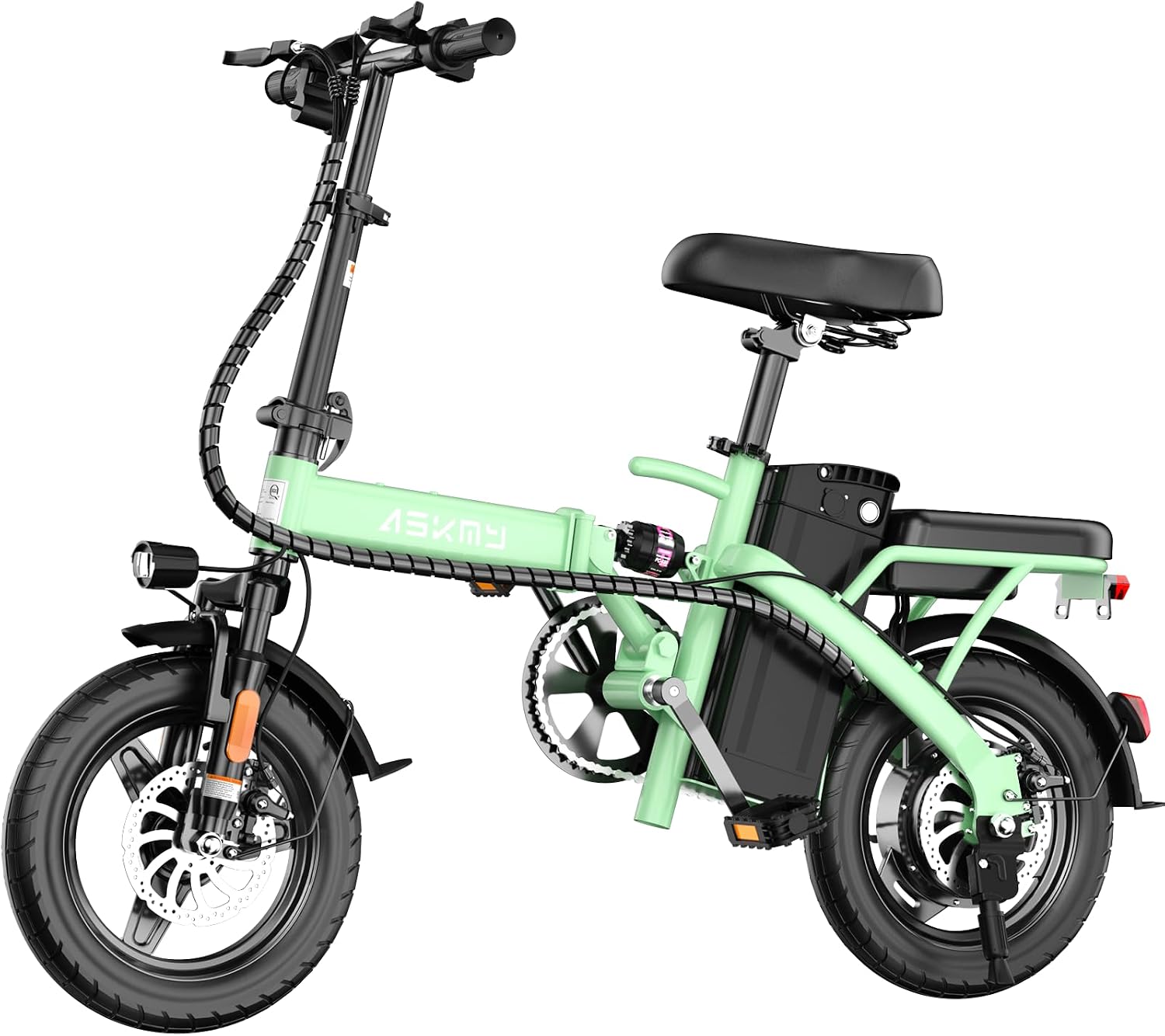
Folding Electric Bike for Adults and Teens, 14" E Bike for Daily Commuting
Folds down small enough to live in a closet, a locker, or a trunk, which is the single best theft deterrent there is. Low step frame, easy to mount, aimed straight at daily commuting
14 inch wheels ride rough and steer quick on broken pavement, and every folding hinge is another thing that has to stay tight
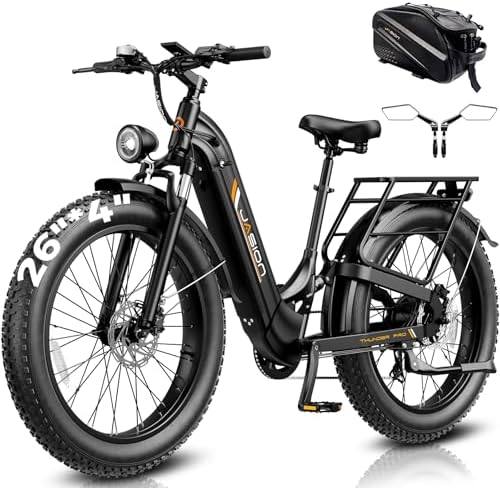
Jasion Thunder/PRO/ST Electric Bike, 2000W/1800W Peak, 26" Fat Tire, 90/80 Miles, 1040Wh/864Wh Battery, 35/30+ MPH, 500/400LB Capacity
The biggest machine in this group by a wide margin: 26 inch fat tires, two battery and trim variants, a 500/400 lb capacity rating, and the most motor here
Fat tires plus a 1040Wh pack is a lot of weight to store, lift, and stop, and a 35 MPH claim puts you in a different risk category than a bicycle frame implies
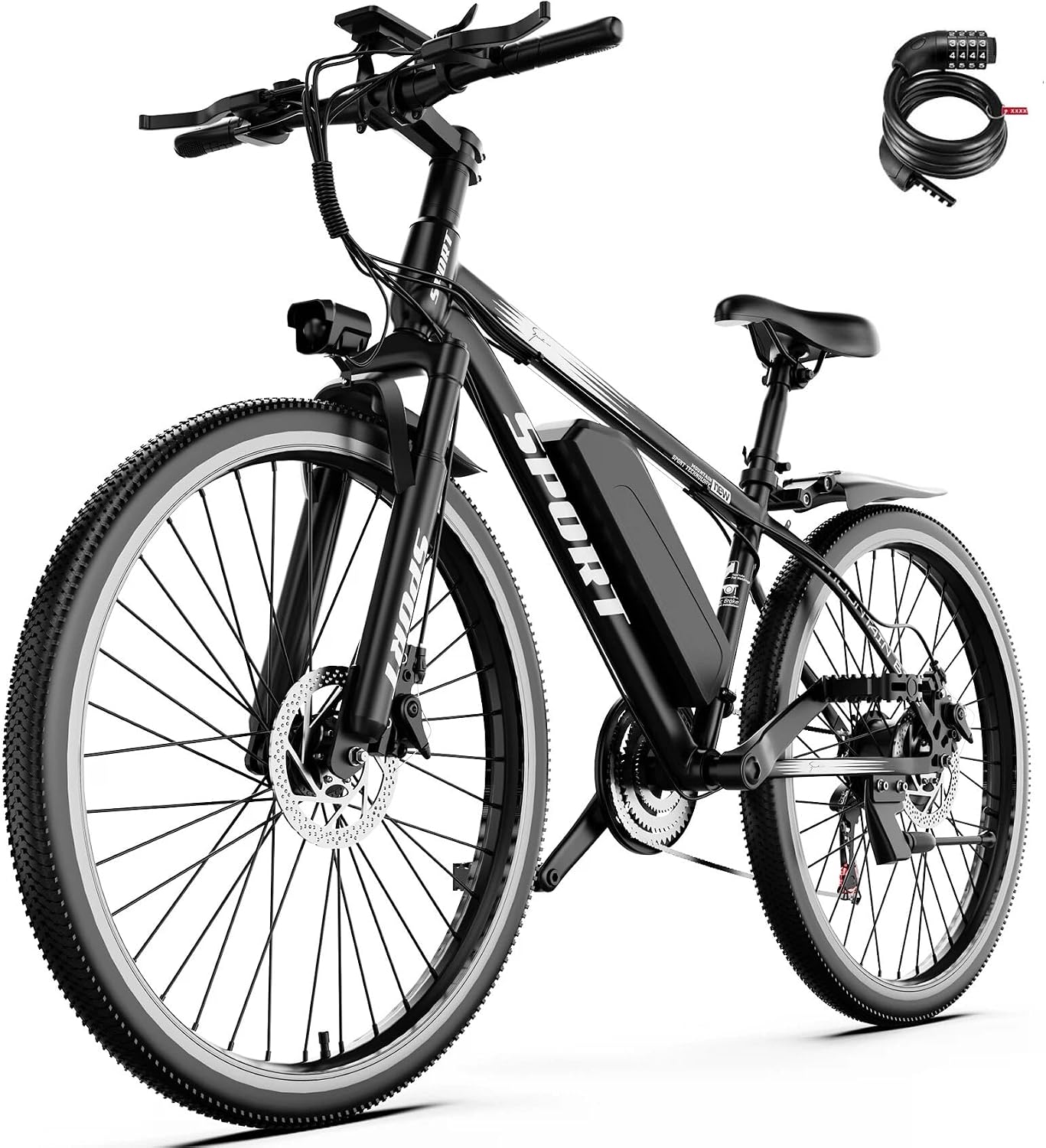
ASKGO Electric Bike for Adults, 1500W Peak Mountain Ebike, 65 Miles Range, 1-7 Speed, 48V 10.4Ah Removable Battery, 26"
A removable 48V 10.4Ah battery is the best feature an apartment commuter can buy, and the 1-7 speed drivetrain means you can ride it as a bicycle when the motor is off
Smallest pack of the three e-bikes here, and a 65 mile range claim on roughly 500 watt-hours only happens at the lowest assist on flat ground
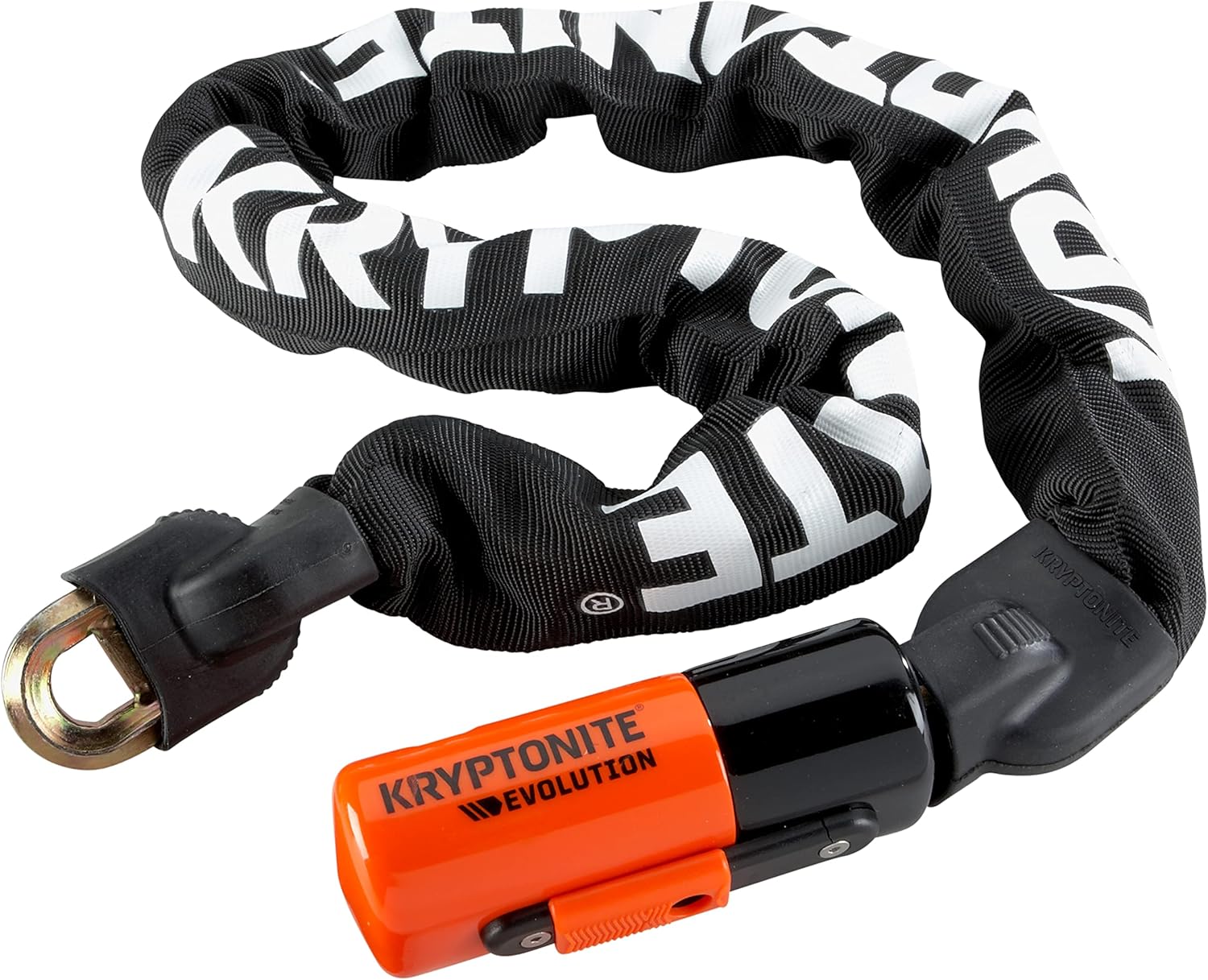
Kryptonite Evolution 1090 Bike Chain Lock, 3 ft, 10mm Steel Security
A 10mm hardened steel chain is the practical threshold for a commuter lock, and a chain reaches around anchors that a rigid U-lock cannot
Chains are heavy, you have to carry it, and 3 feet covers one bike and one anchor, not two bikes
Prices and availability were captured from Amazon Creators API and may change.
How I judge a commuter e-bike
Battery first. Watt-hours tell you more than volts, because watt-hours are the actual size of the tank. A 48V 10.4Ah pack is roughly 500 watt-hours, which is a fair number for a city commute and a thin one for a 65 mile claim. I also care about whether the pack is removable, because charging a battery in your apartment is safer and cheaper than running an extension cord to a carport, and I care whether the pack carries a recognized safety certification. That is not marketing. That is chemistry and insurance.
Brakes second. An e-bike that claims 28 MPH or more is stopping 60 pounds of bike plus a rider, and mechanical discs with small rotors will fade on a long descent. If a listing does not tell you the rotor size and the brake model, treat that silence as information. It is the first thing I look for and the last thing most buyers check.
Range third. Range is a function of four variables: watt-hours in the pack, the weight of the bike plus you, the terrain, and the assist level. Every advertised range number was measured at the lowest assist, on flat ground, with a light rider. That is why I test range at three assist levels instead of quoting one number, and why a 90 mile claim and a 65 mile claim are not comparable unless you know the pack behind them.
Motor fourth. A hub motor is simpler, cheaper, and perfectly fine for a flat city. A mid-drive uses your gears and climbs better. None of the three e-bikes here is a mid-drive, so if you have real hills and a long ride, know that going in.
One honest note: I have not put 100 miles on these four units, and my rule is that I do not publish ride numbers I have not logged. So treat this as a comparison of published specs, frame and component choices, and the design decisions I can read off the listings. That is still enough to tell these three bikes apart.
The folding 14 inch bike: the one that actually leaves the house
Folding bikes win on the two variables that decide whether a bike gets used at all: storage and theft risk. A bike that folds and rolls into a closet, an office, or the back of a car does not spend its nights on a street rack in a city, and street racks are where bikes disappear. The 14 inch wheel format and the low step frame make it easy to mount in work clothes, and the whole thing is aimed at daily commuting rather than weekend trail rides.
The trade is ride quality. Small wheels transmit more of the road, and short wheelbases steer quickly, which feels lively at 12 MPH and twitchy at 20. Keep the tires at the pressure printed on the sidewall, check the hinge clamp every few weeks, and do not expect it to be the bike you take on a 20 mile gravel ride.
Jasion Thunder/PRO/ST: the biggest build in the group
This is the one that reads like a spec sheet written by someone who wanted to win an argument. 2000W/1800W peak, 26 inch fat tires, 90/80 mile claims on 1040Wh/864Wh battery options, 35/30+ MPH, and a 500/400LB capacity rating. The listing bundles a couple of trims and battery sizes, so read carefully before you order and make sure you know which variant you are getting.
What the fat tires buy you is real: they are the cheapest suspension you can put on a rigid frame, and they smooth out chip seal, gravel, and the kind of patched asphalt that makes a 14 inch wheel miserable. The capacity rating is the number that matters if you are a heavier rider, because most e-bikes quietly top out well below it. Peak wattage is worth understanding, though. Peak is a spike, not a continuous rating, so do not read 2000W as a sustained figure.
The trade is weight and consequence. A 1040Wh pack plus fat tires plus a 26 inch frame is a lot of mass to lift onto a rack, carry up stairs, or bring to a stop. And 35 MPH on a bicycle frame is a different risk category than 35 MPH on a motorcycle, so budget for a real helmet and check what the brakes are before you trust the top speed.
ASKGO: the commuter that still pedals like a bike
The ASKGO is the most conventional bicycle of the three, and for a lot of commuters that is the point. A 26 inch mountain frame, 1500W peak, a 1-7 speed drivetrain, and a 48V 10.4Ah removable battery. The removable pack is the standout feature. If you live in a third floor walk-up or your building has no outlet in the bike room, being able to carry the battery to a desk and charge it there is the difference between an e-bike you ride and an e-bike you resent.
The 1-7 speed drivetrain is the second thing I like. A lot of hub-drive e-bikes are single speed, which means when the battery dies you are pushing a very heavy bicycle. With gears you can actually ride it home, and you can pedal along with the motor instead of just being carried by it. 26 inch wheels roll over curb cuts and potholes that a 14 inch wheel treats as an event.
The trade is the pack size. 10.4Ah is the smallest battery in this comparison, and a 65 mile claim on roughly 500 watt-hours is a best case at the lowest assist level on flat ground with a light rider. Real commuting range will be a fraction of that, and that is normal, not a scandal. Just do not plan a 40 mile round trip around the marketing number.
The lock is not optional
The Kryptonite Evolution 1090 is the only product here I would call mandatory. It is a 3 foot chain of 10mm steel, and the case for a chain over a rigid U-lock is simple: a chain bends around poles, racks, trees, and the awkward anchor points that cities actually provide. 10mm hardened steel is the practical threshold for a commuter lock, because thinner links and cables are for coffee stops, not for leaving a bike outside an office for eight hours.
The trade is that chains are heavy and you have to carry them. A 3 foot chain covers one bike and one solid anchor, which is exactly what a commuter needs. If you want to lock two bikes together with one lock, buy two locks. Every e-bike in this comparison costs more than the lock, and every one of them is gone in under a minute with a cable.
The trade-offs that do not show up on the listing
Weight and where the bike lives. The folding bike trades ride quality for portability. The Jasion trades portability for capability. The ASKGO sits between them with the lightest battery of the group and the most conventional frame.
Brakes and speed. Two of these three bikes advertise speeds that deserve better brakes than the average listing describes. Whatever you buy, look up the brake model and the rotor size before you ride fast downhill with a loaded bag.
Battery certification and charging habits. Charge where you can see the bike, do not charge a hot pack straight off a summer ride, and store it at room temperature. A battery is the heart of an e-bike, and it is also the part most likely to be built to a price.
Service and parts. A folding bike with a proprietary hinge, a fat tire bike with an unusual hub spacing, and a mountain frame with standard 26 inch wheels all have different futures when something breaks. Standard wheels and standard drivetrain parts are worth more than a slightly better spec sheet.
Which one for which commute
If your commute is under five miles, ends at a train or a desk, and your building has no secure bike room, buy the folding bike. It will get used more than a better bike that lives outside.
If you want the most capability in a single purchase, ride on rough roads, carry cargo, or need the higher capacity rating, the Jasion is the one built for that job, with the caveat that you need somewhere to put it and brakes you trust.
If you want an e-bike that still behaves like a bicycle, with a battery you can carry upstairs and gears you can use with the motor off, the ASKGO is the sensible middle. Buy the Kryptonite chain no matter which one you choose.
What I am testing next
I have range logs running on the current crop of commuter e-bikes at three assist levels, plus a battery health check at 500 miles, which is where the real differences between packs show up. When those numbers are in, I will publish them. Until then, buy the bike that fits your commute and the lock that fits your bike, and read the brake spec before you read the top speed.