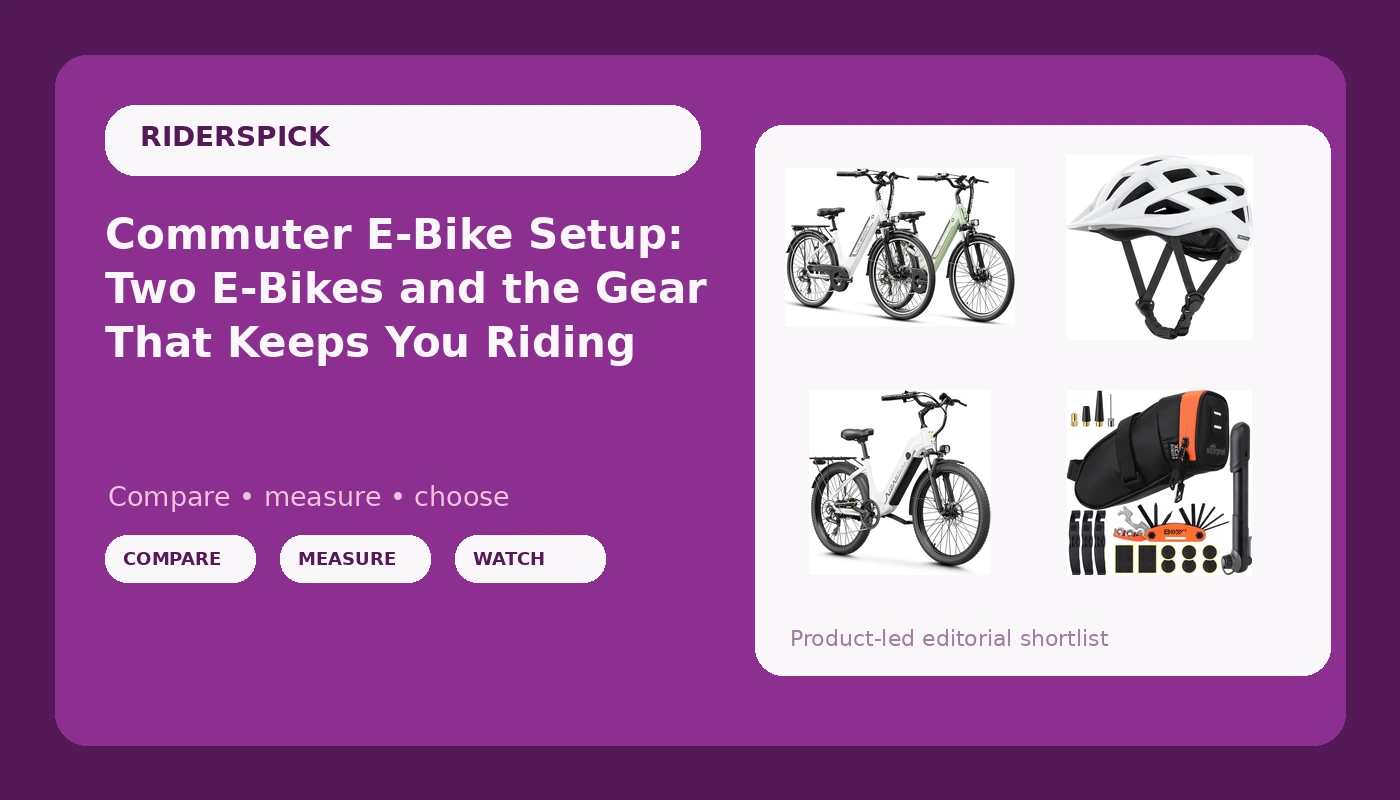
I have built and rebuilt more commuter bikes than I can count, and the failure pattern never changes. Someone spends the entire budget on the bike, then rides it with a loose helmet, no pump, and no way to fix a flat. A commuter e-bike setup is a system, and the system almost always breaks at the cheapest part first. This comparison puts two adult e-bikes, a helmet, and a saddle bag repair kit next to each other, and explains which pieces you need on day one and which ones can wait until the second paycheck.
Related: E-Bike Battery Health: What 500 Miles Actually Tells You
The best commuter e-bike setup for most riders starts with the Jasion Roamer ST, paired with the Findway helmet and the saddle bag repair kit, with the Aipas C1 Max or C2 Max as the pick if battery capacity and entry cost matter more to you than peak motor output. That is the short version. The long version involves battery watt-hours, motor claims, the brake question nobody asks, and why a 30-dollar helmet is the most important line in this table.
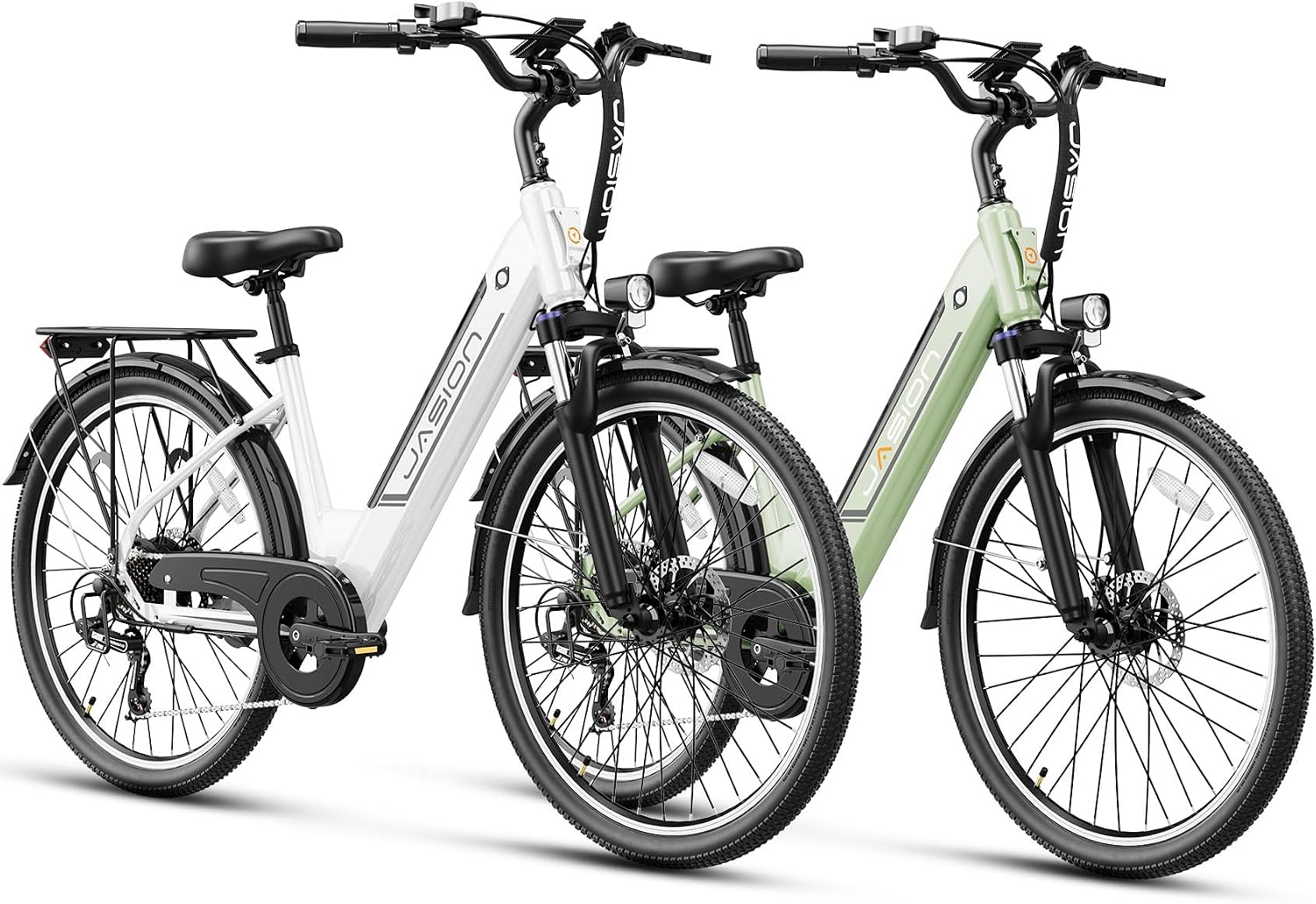
Jasion Roamer ST Electric Bike, 62Miles 28MPH Max Speed, 26'' Commuter Ebike for Adults, 1200W Peak Motor, 528WH Removable Battery, Front Suspension Women E Bike, 7-Speed Bicycle, UL2849 Certification
1200W peak motor, 528Wh removable battery, UL2849 certification, front suspension and a 7-speed drivetrain on a 26-inch commuter frame
The heaviest and most expensive item here, and the 62-mile figure is a best-case claim that depends entirely on assist level
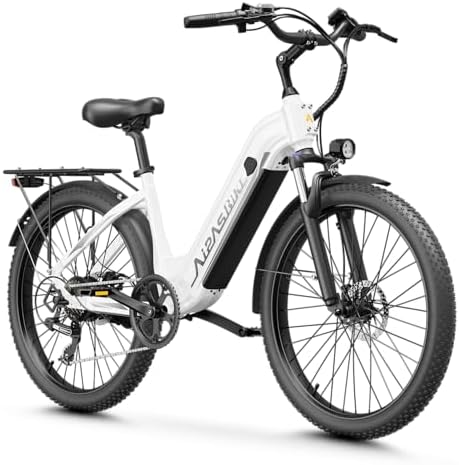
Aipas C1 Max/C2 Max Electric Bike for Adults, 864Wh Removable Battery
The largest battery in this comparison at 864Wh, removable, and the cheaper of the two e-bikes
Fewer published specs overall, so motor and brake details need to be confirmed before you commit
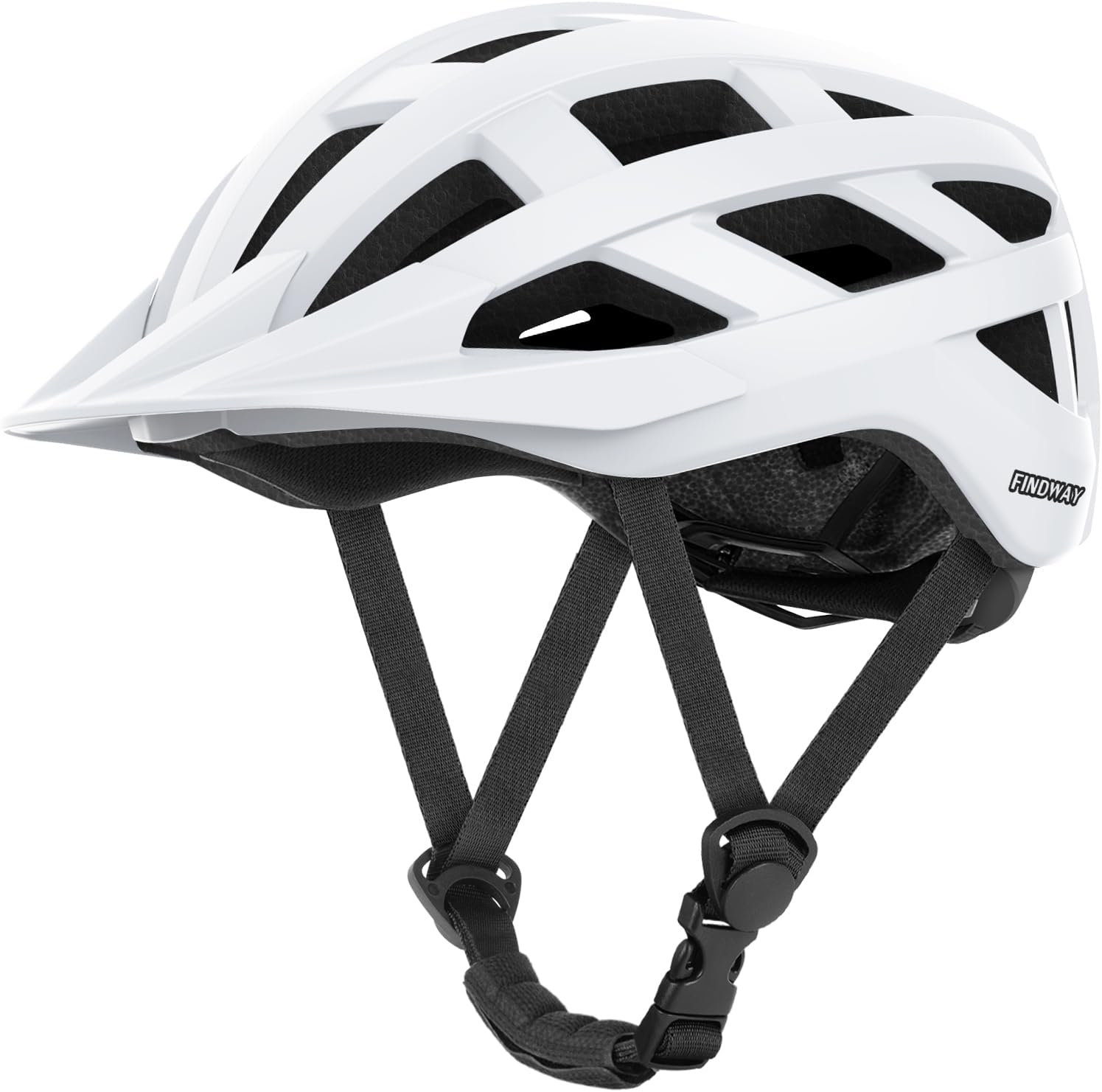
Findway Adult Bike Helmet, Upgrade Adjustable Dial & Removable Visor, Adjustable Straps, Interior Padding Bicycle Cycling Helmet for Men & Women
Dial fit, removable visor, adjustable straps and real interior padding, for a fraction of what the bikes cost
It is a bicycle helmet, not a motorcycle shell, so it is built for pedal-speed impacts
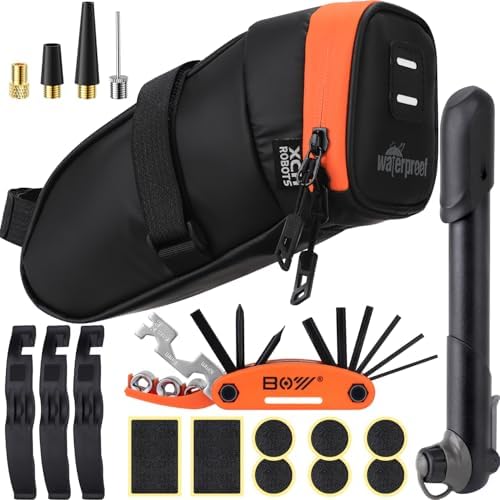
Bicycle Saddle Repair Bag with Tire Patch and Inflate Pump - Portable Travel Emergency Tool Kit, Bike Accessories for Adult Bikes with IPX4 Waterproof
Patches, pump and a saddle-mounted bag in one purchase, with an IPX4 waterproof rating
The pump in a kit at this size is an emergency pump, not a floor pump, so it is slow by design
Prices and availability were captured from Amazon Creators API and may change.
What this comparison is, and what it is not
I want to be straight with you about method, because most e-bike roundups are not. I did not take these four products out for a 50-mile loop, and I am not going to pretend otherwise. What I can do is read a spec sheet the way a mechanic reads one, tell you which numbers are load-bearing, and tell you which numbers are decoration.
Here is the filter I run every e-bike through, whether it arrives at my stand or in a listing:
- Is the battery certified, and is it removable?
- Do the brakes have a published spec that can stop a loaded bike at speed?
- Does the range claim come with an assist level attached, or is it a single number?
- Would I trust this bike for a year of daily commuting?
Two of these four products are e-bikes. Two are accessories that happen to be the difference between a commute and a very long walk. I am comparing them together because that is how people actually buy: one order, one budget, one attempt at getting set up before Monday.
One more caveat. Neither e-bike listing here publishes brake details in the product name, which is where most of the spec data lives. That is not a red flag by itself, but it is the first question I would put to a seller before buying anything that moves at 28 mph. Brakes are the spine of the bike. Everything else is cosmetic.
The Jasion Roamer ST: the numbers-first commuter
The Jasion Roamer ST Electric Bike leads with numbers, and there are a lot of them: a 1200W peak motor, a 528Wh removable battery, 28 mph max speed, a claimed 62 miles, front suspension, 7 speeds, a 26-inch frame, and UL2849 certification.
Two of those deserve real attention. The first is the 528Wh removable battery. Removable is the correct design for a commuter, full stop. If you live in an apartment, if your parking is a stairwell, if your garage hits freezing in January, you want to carry the battery inside and charge it at room temperature. A permanently mounted pack turns a simple habit into an extension cord running under a door.
The second is UL2849 certification. This is the certification standard for e-bike electrical systems, and it is the single line item I would never trade away for a lower price. Battery fires are not a marketing problem, they are a chemistry problem, and certification is the cheapest insurance you can buy. When someone tells you their uncertified pack is fireproof, they are describing a feeling, not a test.
Now the numbers I would discount. The 1200W figure is a peak rating, which is the motor's short burst, not what it delivers minute after minute on a hill. And 62 miles is a range claim with no assist level attached to it. Range is a function of your weight, your terrain, and how much help you ask the motor for. A 528Wh pack at low assist on flat ground is a very different ride than the same pack at full assist into a headwind. I test range at three assist levels for exactly this reason, and I would want that data before believing any single mileage figure.
The trade-offs are real too. This is the heaviest and the most expensive item in this comparison. A 26-inch frame with front suspension and a 7-speed drivetrain is a comfortable, forgiving commuter, and the 7-speed cassette matters more than people think. Gears let you help the motor, and helping the motor is how you get real range.
The Aipas C1 Max/C2 Max: battery capacity over peak power
The Aipas C1 Max/C2 Max Electric Bike for Adults goes the other direction. The headline is an 864Wh removable battery, which is the largest capacity in this comparison by a wide margin. If your commute is long, if you ride in cold weather, if you carry groceries or a laptop bag, or if you simply want to charge less often, watt-hours are the number that buys you that.
Here is the honest mechanic's framing: motor wattage sells bikes, battery watt-hours keep them useful. An 864Wh pack paired with a modest motor is often a better commuter than a big motor with a small pack, because the small pack is the part that runs out at mile 18 with six miles left to go. This is also the cheaper of the two e-bikes here, which means the money you save can go toward the helmet and the repair kit instead of a bigger motor you will rarely use at full output.
The trade-off is information. This listing publishes far fewer specs than the Jasion. The frame size, the drivetrain, the brake type, and the assist levels are not spelled out in the product name, and those are the details that decide whether a bike fits you and stops you. That does not make it a bad bike. It makes it a bike where you read the full listing, ask the seller two direct questions, and confirm the brake spec and the frame size before you buy.
My rule on this class of purchase: the battery is the heart, the brakes are the spine. If a listing answers the battery question and dodges the brake question, ask again.
The Findway helmet: the cheapest line in the table
The Findway Adult Bike Helmet is the least expensive item in this comparison and the one I would not ride without. It has an adjustable dial fit system, a removable visor, adjustable straps, and interior padding.
The dial is the feature that matters. A helmet that does not fit properly does not protect you properly, and a dial lets you tune the fit with one hand, including over a cap or a thin beanie in cold weather. The removable visor is a smaller win but a real one for a commuter: it keeps low sun and road spray out of your eyes without committing you to a full-face setup. Padding matters for the same reason the dial does, which is that a helmet you find uncomfortable is a helmet you eventually leave at home.
The honest limitation: this is a bicycle helmet, built for pedal-speed impacts. An e-bike at 28 mph is at the fast end of what a bike helmet is designed around, so fit is not optional here, it is the entire safety margin. Get the dial snug, keep the straps at the angle the manual shows, and replace the shell after any real impact. A helmet is single-use protection, and that is true at every price point.
If you are spending four figures on an e-bike, the helmet is not the place to save thirty dollars. It is the place to spend them.
The saddle bag repair kit: the flat you will absolutely get
The Bicycle Saddle Repair Bag with Tire Patch and Inflate Pump is the least glamorous purchase in this comparison and the one that will save a commute first. It carries tire patches, a small inflate pump, and mounts on the saddle, with an IPX4 waterproof rating.
Two things make this the right shape of kit. The first is that it lives on the bike. A repair kit in a drawer at home is a repair kit you do not have. A bag on the saddle is one you have at 7:15 in the morning on a shoulder with traffic going past. The second is the IPX4 rating, which means rain and road spray will not soak the contents. That is exactly the condition in which you will need it.
Set expectations on the pump. A pump that fits in a saddle bag is an emergency pump. It moves a small volume of air per stroke, so it is slow and it takes real effort to get a commuter tire back to pressure. That is the trade for portability, and it is the correct trade for a bag that stays on the bike. If you run tubeless, add a plug kit, because patches are for tubes. And if you have never fixed a flat at home, do it once in your driveway before you have to do it in the dark. The skill is the accessory.
Where each option loses
I do not like writing a comparison where everything wins, so here is the other side of the table.
The Jasion costs the most and carries the most weight, and its 62-mile claim is untested by me and unqualified by the listing. If your commute is short, you are paying for capacity and motor you may never use.
The Aipas asks you to do more homework. The battery capacity is the best here, but the brake, frame, and drivetrain details are thin, and thin specs on a 28 mph machine are exactly where I slow down and ask questions.
The helmet is not a full-face or a motorcycle-grade shell, and it will not protect you the way a downhill-rated helmet would. It is designed for a commuter's daily risk, not for racing.
The repair bag will not replace a floor pump at home, and the patches only work on tubes. It solves one specific, frequent, annoying problem, and it solves it well.
The bottom line
If you want one order that covers a daily commute, my pick is the Jasion Roamer ST for the 528Wh removable pack, the UL2849 certification, the 7-speed drivetrain, and the front suspension, then the Findway helmet for the dial fit, then the saddle bag repair kit so you are never stranded by a flat. That is a complete setup with the safety and repair boxes actually checked.
If your commute is long, your weather is cold, or your budget is tighter, the Aipas C1 Max/C2 Max makes the battery-first argument, and 864Wh of removable capacity is a genuinely strong argument for a commuter. Just confirm the brake spec and the frame size before you order.
What I am watching next
Two things are on my bench right now. The first is the brake question on budget commuter e-bikes, because I keep seeing 28 mph claims on bikes whose listings will not name a brake model. I will have a piece on how to read that silence and what to ask before you buy.
The second is battery health at 500 miles, which is the number I care about more than any launch spec. Capacity fade in the first 500 miles tells you more about a pack than the marketing watt-hours ever will. When I have that data logged, you will get the honest version, including the parts that make some brands uncomfortable.